
Restless Legs Syndrome: Natural Remedies That Actually Work — A Practical Guide to Symptom Relief
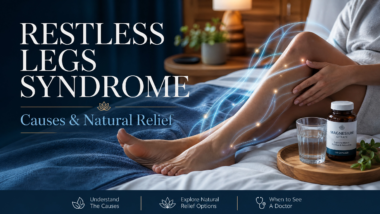
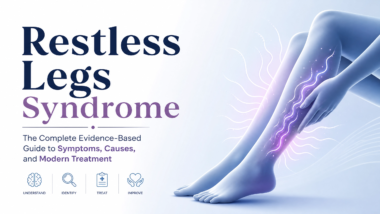
If you’ve ever lain in bed feeling like something is crawling inside your legs — and the only relief is moving them — you’re not alone. Restless legs syndrome affects up to 1 in 10 adults. The good news: many people find significant relief with natural approaches. This guide walks you through seven evidence-backed remedies, a self-assessment quiz to understand your symptom pattern, and practical tools to track your progress.
1. Recognizing Your Symptoms: A Quick Self-Check
Before diving into remedies, it helps to identify whether your leg discomfort matches typical RLS. Most people with RLS describe:
- An overwhelming urge to move the legs, often with strange sensations (creeping, tugging, pulling)
- Symptoms that start or get worse when you sit or lie down
- Relief — at least partial — when you walk, stretch, or jiggle your legs
- A clear evening or nighttime worsening
If these sound familiar, the natural remedies below are worth exploring. If not, consider consulting a doctor to rule out leg cramps, neuropathy, or arthritis.
2. Seven Natural Remedies With Practical Dosing
Ask your doctor for a ferritin blood test. If below 75 ng/mL, 65mg elemental iron + 250mg vitamin C (empty stomach) can help over 8-12 weeks. Do not guess — test first.
200–400mg one hour before bedtime. Choose glycinate to avoid loose stools. Helps calm nerve firing and relax muscles.
30 minutes of walking, swimming, or biking before 2 PM. Research shows up to 40% reduction in evening symptom intensity.
20-min soak (100°F) followed by 5 minutes of gentle calf/thigh massage. Sensory input competes with RLS signals.
Same bedtime and wake time 7 days a week. Fatigue worsens RLS; protecting sleep architecture reduces symptom triggers.
No coffee, tea, or cola after 2 PM for 4 weeks. Caffeine blocks adenosine and can provoke symptoms.
Alcohol fragments sleep and may trigger leg restlessness during the second half of the night. Try a 30-day break.
3. Interactive Self-Assessment: What’s Your RLS Pattern?
This short quiz helps you identify which aspects of RLS affect you most. Use your answers to prioritize which remedies to try first.
📋 RLS Self-Assessment Quiz
4. Sleep Support Products That May Help With RLS-Related Insomnia
🌙 Sleep Restore Pro — A natural sleep aid with magnesium glycinate, L-theanine, and passion flower. Designed to help you fall asleep before RLS symptoms intensify.
See Sleep Restore Pro details →Individual results vary. Not evaluated by FDA.
💤 Dream Deep Complex — Supports deep sleep continuity, potentially helpful if periodic limb movements disrupt your rest.
Learn more about Dream Deep Complex →Individual results vary. Not evaluated by FDA.
5. Frequently Asked Questions About Natural RLS Relief
🧠 When to see a doctor: If natural remedies don’t help after 8 weeks, if symptoms spread to your arms, or if you have extreme daytime sleepiness — get a medical evaluation. You may need prescription medications like gabapentin or low-dose dopamine agonists.