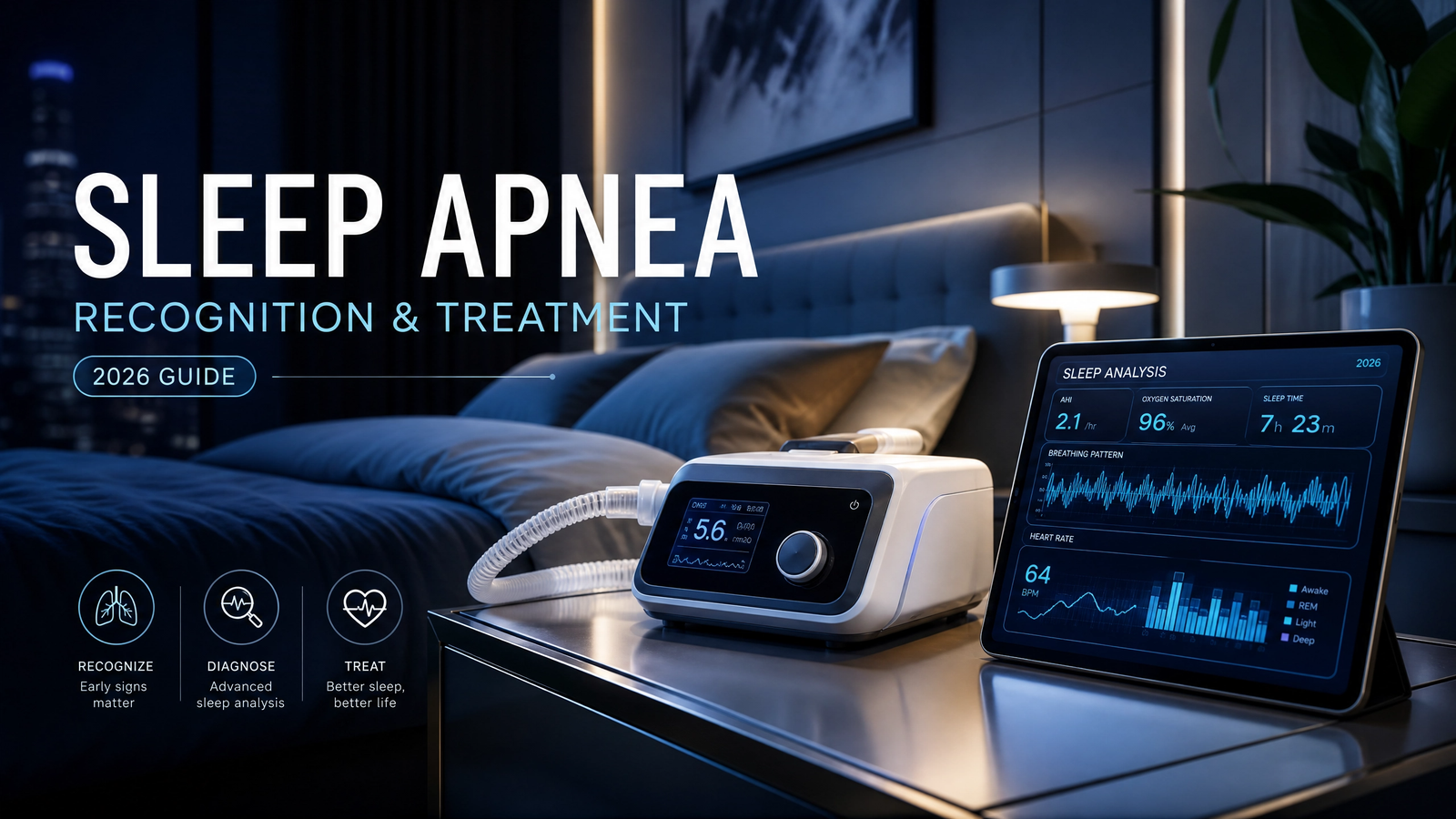

Obstructive Sleep Apnea: Recognition, Diagnosis & Treatment (2026 Guide)
Evidence-based information on sleep apnea symptoms, risk assessment, diagnostic pathways, and treatment options that may help improve your sleep health
📖 A note from us → We spent weeks digging through the latest research on sleep apnea so you don’t have to. This guide covers symptoms, the STOP-BANG risk calculator, AHI severity, treatment options (CPAP, oral appliances, surgery), and when to see a doctor. No fluff. Just evidence-based help.
⚕️ Disclaimer: We are affiliate marketers, not doctors. Sleep apnea is a serious medical condition. Always consult a healthcare provider for diagnosis and treatment.
📝 Editorial & Review Policy
This article was prepared by the DeepSleepAid editorial team based on publicly available research. No individual medical professional has reviewed this specific article. Information is drawn from:
- Peer-reviewed studies accessible via PubMed (citations provided throughout)
- Publicly available clinical guidelines from the AASM, ATS, and AAP
- Educational materials from the NIH, NHS, Cleveland Clinic, and Johns Hopkins Medicine
- Manufacturer-provided information for any recommended supplemental products
We have not personally reviewed original research data. This guide synthesizes publicly available information for educational purposes.
Always consult a licensed healthcare provider before making any health decisions.
⚕️ Medical Disclaimer: This information is for educational purposes only and is not medical advice. Sleep apnea is a serious medical condition. This page contains affiliate links. Consult your doctor before starting any sleep supplement or treatment, especially if you take medications or have a medical condition. These products are not intended to diagnose, treat, cure, or prevent any disease.
What Is Obstructive Sleep Apnea?
Obstructive sleep apnea (OSA) is a sleep-related breathing disorder characterized by repeated episodes of partial or complete collapse of the upper airway during sleep. When the airway narrows or closes, airflow is reduced or stopped entirely. These interruptions, known as apneas (complete cessation) and hypopneas (partial reduction), typically last 10 seconds or longer and may occur dozens or even hundreds of times per night.
During an apnea event, oxygen levels in the blood may drop. The brain detects this decrease and briefly rouses the sleeper to reopen the airway. Most individuals remain unaware of these micro-arousals, yet they fragment sleep architecture and prevent progression into restorative deep sleep stages. The result is non-restorative sleep despite what may appear to be adequate time in bed.
Research published in The Lancet Respiratory Medicine (2019) suggests that OSA affects approximately 1 billion adults globally between the ages of 30 and 69. Of these, an estimated 425 million have moderate-to-severe disease. In the United States, prevalence data indicates that 25% to 30% of men and 9% to 17% of women meet diagnostic criteria for OSA.
What makes this condition particularly concerning is its underdiagnosis. Studies suggest that up to 90% of individuals with moderate-to-severe OSA remain undiagnosed. Many attribute their daytime fatigue to aging, stress, or poor sleep habits, never suspecting that their airway is collapsing repeatedly throughout the night.
The Mechanism Behind Airway Collapse
During wakefulness, muscle tone in the upper airway keeps the passage open. During sleep, particularly during rapid eye movement (REM) sleep, muscle tone decreases naturally. In individuals with OSA, this normal relaxation is compounded by anatomical factors such as excess soft tissue, a large tongue, a recessed jaw, or enlarged tonsils. The combination of reduced muscle tone and anatomical narrowing causes the airway to collapse when the individual inhales.
The negative pressure generated during inspiration pulls the soft palate, uvula, and tongue backward, further obstructing the airway. When airflow stops, oxygen levels drop, carbon dioxide rises, and the brain triggers an arousal. The cycle then repeats, often dozens of times per hour.
🧮 Interactive Tool: Sleep Apnea Risk Calculator (STOP-BANG)
The STOP-BANG questionnaire is one of the most widely validated screening tools for identifying individuals at risk of obstructive sleep apnea. A systematic review and meta-analysis published in PLoS One (2015) confirmed its utility across diverse populations. Use this interactive calculator to assess your risk level.
Recognizing the Warning Signs
Symptoms of OSA fall into two categories: those that occur during sleep and those that manifest during waking hours. Many individuals with OSA are unaware of their nighttime symptoms and only seek medical attention after a bed partner raises concerns or after experiencing persistent daytime consequences.
Nighttime Symptoms
- Loud, chronic snoring: Snoring results from turbulent airflow through a narrowed airway. While not all snorers have OSA, snoring that is loud, habitual, and interrupted by pauses is highly suggestive of the condition.
- Witnessed apneas: A bed partner may observe episodes where breathing stops completely, followed by gasping, choking, or snorting as breathing resumes.
- Restless sleep: Frequent position changes, kicking, thrashing, or waking with tangled sheets may indicate repeated arousals from airway obstruction.
- Nocturia: Waking multiple times during the night to urinate. Research suggests this may be related to pressure changes in the chest affecting hormone levels that regulate urine production.
- Night sweats: Some individuals experience excessive sweating during sleep, possibly related to the autonomic stress response triggered by apnea events.
- Dry mouth or sore throat upon waking: Mouth breathing during sleep, often a compensatory mechanism for nasal obstruction, may cause these symptoms.
Daytime Symptoms
- Excessive daytime sleepiness: The most common daytime complaint. Individuals may struggle to stay awake during meetings, while reading, or even while driving.
- Morning headaches: Research suggests these may result from carbon dioxide retention and oxygen desaturation during the night.
- Difficulty concentrating or memory problems: Sleep fragmentation impairs cognitive function, particularly executive function and working memory.
- Irritability and mood changes: Chronic sleep deprivation may contribute to depression, anxiety, and emotional dysregulation.
- Decreased libido or sexual dysfunction: Hormonal disruptions and fatigue may affect sexual health.
- Microsleeps: Brief, involuntary episodes of sleep lasting seconds. These are particularly dangerous during activities like driving.
Who Is Most at Risk?
OSA does not discriminate by age, sex, or body type, but certain factors substantially increase susceptibility. Understanding these risk factors may help individuals recognize whether they should seek evaluation.
Anatomical and Physical Risk Factors
- Obesity: Excess weight, particularly fat deposits around the neck and upper airway, increases the likelihood of airway collapse. Research in the American Journal of Epidemiology (2013) documented a rising prevalence of OSA correlated with increasing obesity rates. However, OSA can occur in individuals of any body weight.
- Large neck circumference: A neck circumference greater than 17 inches (43 cm) in men or 16 inches (40.5 cm) in women suggests increased soft tissue around the airway.
- Craniofacial structure: A recessed jaw (retrognathia), small jaw (micrognathia), elongated face, or low-lying palate may reduce airway space. Tonsillar hypertrophy, particularly in children, may also obstruct the airway.
- Nasal obstruction: Chronic nasal congestion, deviated septum, or nasal valve collapse may increase negative pressure in the airway during inspiration.
Demographic and Lifestyle Factors
- Male sex: Men are at higher risk than premenopausal women, though the gap narrows after menopause. Hormonal factors may influence airway muscle tone and fat distribution.
- Age: Risk increases with age until the 60s and 70s, after which prevalence may plateau.
- Postmenopausal status: The decline in progesterone, which may have a stabilizing effect on upper airway muscles, may contribute to increased risk.
- Alcohol and sedative use: These substances relax upper airway muscles and depress respiratory drive, potentially worsening OSA.
- Smoking: Tobacco use may increase inflammation and fluid retention in the upper airway.
- Supine sleeping position: Gravity causes the tongue and soft palate to fall backward when lying on the back, increasing obstruction risk.
Medical Conditions Associated with OSA
Several medical conditions may coexist with or predispose individuals to OSA. These associations are primarily based on observational studies:
- Endocrine disorders: Hypothyroidism, acromegaly, and polycystic ovary syndrome may alter airway anatomy or respiratory control.
- Neurological conditions: Stroke, spinal cord injury, and myasthenia gravis may affect upper airway muscle control.
- Cardiovascular disease: Congestive heart failure and atrial fibrillation have been associated with higher OSA prevalence.
- Genetic syndromes: Down syndrome and Prader-Willi syndrome are associated with craniofacial abnormalities and obesity that increase OSA risk.
- Pregnancy: Weight gain, hormonal changes, and fluid retention may predispose to gestational OSA.
How Sleep Apnea Is Diagnosed
Diagnosis of OSA requires objective measurement of breathing during sleep. Self-diagnosis based on symptoms alone is insufficient, as several other conditions may mimic OSA, including chronic fatigue syndrome, depression, hypothyroidism, and narcolepsy.
Initial Clinical Evaluation
A healthcare provider will typically begin with a detailed medical history and physical examination. The examination may include assessment of the throat, neck, mouth, and nasal passages. The provider may measure neck circumference, evaluate the oropharynx using the Mallampati classification, and assess for retrognathia or tonsillar enlargement.
Questionnaires such as the Epworth Sleepiness Scale (ESS) and the Fatigue Severity Scale (FSS) may be used to quantify subjective sleepiness and fatigue. An ESS score above 9 suggests excessive daytime sleepiness warranting further investigation.
Sleep Studies: The Gold Standard
The definitive diagnostic test for OSA is a sleep study. There are two primary types:
In-Laboratory Polysomnography (PSG)
PSG is considered the gold standard. Conducted overnight in a sleep laboratory, this comprehensive test monitors:
- Brain waves (EEG) to identify sleep stages and arousals
- Eye movements (EOG) and chin muscle tone (EMG) to determine REM sleep
- Heart rhythm (ECG)
- Breathing patterns via oronasal airflow sensors and respiratory effort belts
- Blood oxygen levels (pulse oximetry)
- Leg movements
- Body position and snoring intensity
A board-certified sleep specialist interprets the data, identifying apnea and hypopnea events and calculating the apnea-hypopnea index (AHI).
Home Sleep Apnea Testing (HSAT)
For individuals with a high pretest probability of moderate-to-severe OSA and no significant comorbidities, home testing offers a convenient alternative. HSAT devices typically record:
- Nasal airflow
- Respiratory effort (chest and abdominal belts)
- Blood oxygen saturation
- Heart rate
- Body position
- Snoring
HSAT does not monitor brain waves, so it cannot distinguish sleep from wakefulness. This means the calculated respiratory event index (REI) may underestimate severity compared to PSG-derived AHI. Research suggests this underestimation may be at least 20%. If HSAT results are negative or inconclusive in a high-risk individual, in-laboratory PSG may be recommended.
Understanding AHI and Severity Levels
The apnea-hypopnea index (AHI) is the primary metric used to quantify OSA severity. It represents the average number of apnea and hypopnea events per hour of sleep. The American Academy of Sleep Medicine defines severity as follows:
| Severity | AHI Range | Clinical Significance |
|---|---|---|
| Mild OSA | 5 – 14 events/hour | May cause symptoms in some individuals; treatment benefit varies based on symptom burden |
| Moderate OSA | 15 – 29 events/hour | Associated with significant daytime sleepiness and increased cardiovascular risk |
| Severe OSA | 30+ events/hour | High risk of complications; treatment strongly recommended |
However, AHI alone does not tell the complete story. Recent research published in Sleep (2021) has challenged the traditional AHI-centric approach, proposing additional metrics that may better capture individual disease burden:
- Hypoxic burden: The total time spent with low oxygen levels, weighted by severity of desaturation
- Arousal burden: The frequency and duration of sleep disruptions caused by respiratory events
- Total sleep time with SpO2 below 90% (TST90): Cumulative time spent in significant hypoxemia
- Heart rate variability: Changes in nocturnal heart rate patterns during apnea events
These supplementary metrics may help clinicians identify individuals at higher risk despite having similar AHI values, enabling more personalized risk stratification.
Treatment Options and What the Research Suggests
Treatment selection depends on OSA severity, symptom burden, anatomical factors, patient preferences, and comorbidities. There is no universal best treatment; what works for one individual may not work for another.
Continuous Positive Airway Pressure (CPAP)
CPAP therapy delivers a constant stream of pressurized air through a mask, creating a pneumatic splint that prevents airway collapse. It is considered the most effective treatment for moderate-to-severe OSA. A 2011 study in Sleep confirmed CPAP’s efficacy in eliminating respiratory events when used consistently.
Despite its effectiveness, CPAP adherence remains a significant challenge. Research indicates that nearly half of patients discontinue regular use within the first month. Common barriers include mask discomfort, nasal congestion, claustrophobia, noise, and difficulty adapting to pressurized airflow.
Strategies that may improve adherence include:
- Mask fitting optimization (nasal pillows, nasal masks, or full-face masks)
- Humidifier use to reduce nasal dryness
- Gradual pressure acclimatization (ramp features)
- Telemedicine support and remote monitoring
- Educational interventions and peer support groups
The American Thoracic Society defines adequate adherence as CPAP use for more than 4 hours per night on more than 70% of nights, though optimal adherence thresholds remain debated.
Bilevel Positive Airway Pressure (BiPAP)
BiPAP delivers different pressures during inhalation and exhalation, which may be better tolerated by individuals who require high pressure settings (>15 cm H2O) or who have difficulty exhaling against continuous pressure. It may also be indicated for individuals with obesity hypoventilation syndrome or certain neuromuscular conditions.
Oral Appliances (Mandibular Advancement Devices)
Custom-fitted oral appliances advance the lower jaw and tongue forward, increasing airway space at the back of the throat. AASM/AADSM guidelines recommend oral appliances as an alternative for individuals with mild-to-moderate OSA who do not tolerate CPAP or prefer an alternative.
Oral appliances are typically most effective for individuals with:
- Mild-to-moderate OSA
- Appropriate dentition (sufficient teeth to anchor the device)
- Retrognathia or other jaw-position-related airway narrowing
- Primary snoring without significant oxygen desaturation
Potential side effects include jaw discomfort, tooth movement, bite changes, and excessive salivation. Follow-up sleep testing is recommended to confirm treatment efficacy.
Positional Therapy
For individuals whose OSA is substantially worse in the supine position (positional OSA), devices that prevent back-sleeping may be effective. These include wearable vibratory devices, positional pillows, and backpack-style garments. Research suggests positional therapy may be effective when supine AHI is at least twice the non-supine AHI.
Weight Management
Weight loss may reduce OSA severity in overweight individuals. A randomized trial published in the American Journal of Respiratory and Critical Care Medicine (2022) found that weight loss combined with CPAP improved OSA outcomes. However, weight loss alone is rarely curative, and most individuals require ongoing treatment even after significant weight reduction.
Surgical Interventions
Surgery is generally reserved for individuals with specific anatomical abnormalities who have not responded to conservative treatments. Options include:
- Uvulopalatopharyngoplasty (UPPP): Removal of the uvula and soft palate tissue. Long-term efficacy is limited, with fewer than 50% of patients maintaining significant AHI improvement after one year.
- Maxillomandibular advancement (MMA): Surgical forward repositioning of both jaws. Most effective for individuals with retrognathia.
- Hypoglossal nerve stimulation (HNS): An implantable device that stimulates the tongue protrusion muscle during sleep. The STAR trial published in the New England Journal of Medicine (2014) demonstrated a 68% median reduction in AHI at 12 months. Eligibility criteria include moderate-to-severe OSA, CPAP intolerance, BMI under 32, and absence of complete concentric collapse at the palate on drug-induced sleep endoscopy.
- Nasal surgery: Septoplasty, turbinate reduction, or nasal valve repair may improve nasal airflow and reduce CPAP pressure requirements.
- Tonsillectomy and adenoidectomy: Primary treatment for children with OSA due to tonsillar hypertrophy.
Pharmacological Approaches
Currently, no medication is FDA-approved specifically for OSA treatment. However, tirzepatide (Zepbound), a GLP-1/GIP receptor agonist approved for obesity, has shown promise in reducing OSA severity through weight reduction. Research in this area is ongoing.
Supplemental Approaches for Sleep Quality Support
While CPAP and oral appliances address the mechanical obstruction, some individuals seek additional support for sleep quality and daytime functioning. It is important to emphasize that no supplement can replace CPAP or other prescribed treatments for OSA. However, certain compounds may support general sleep health when used alongside standard medical therapy.
Compounds such as magnesium glycinate may support muscle relaxation, L-theanine may help with mental calm before bed, and glycine may assist with core temperature regulation. These should be viewed as adjunctive measures, not primary treatments, and should only be used after discussion with a healthcare provider.
🚨 CRITICAL MEDICAL WARNING 🚨
Sleep apnea is a serious medical condition linked to heart attack, stroke, and sudden death. No supplement can treat, cure, or prevent sleep apnea. If you suspect you have sleep apnea, see a doctor immediately. The products below are for general sleep quality support only and should NEVER be used as a substitute for CPAP, oral appliances, or other prescribed treatments.
🔗 Affiliate Disclosure: We earn a commission if you purchase through this link, at no extra cost to you.
For individuals with OSA who are already using CPAP or other prescribed treatments and seeking additional sleep quality support, Sleep Restore Pro may be worth considering. According to the manufacturer, this formula contains ingredients that may support relaxation and sleep onset.
Important: This product is NOT a treatment for sleep apnea. It should only be used as a sleep quality adjunct alongside prescribed OSA therapy such as CPAP. The manufacturer offers a 60-day satisfaction guarantee. Each bottle provides a 30-day supply.
Claims about this specific product are based on manufacturer-provided information. Individual results vary. This product does not treat, cure, or prevent sleep apnea.
Check Current Pricing & Availability →This is an affiliate link. We only recommend products based on publicly available information. Your purchase supports our research at no additional cost to you.
When Oral Appliances May Be Preferred
Some individuals find CPAP intolerable despite multiple mask adjustments and adherence interventions. For these individuals, a custom-fitted mandibular advancement device (MAD) may provide a viable alternative. A randomized trial in the American Journal of Respiratory and Critical Care Medicine (2013) found that while CPAP was more effective at reducing AHI, oral appliances were superior for improving quality of life measures, suggesting that patient preference and tolerability matter significantly in treatment selection.
🔗 Affiliate Disclosure: We earn a commission if you purchase through this link, at no extra cost to you.
For individuals experiencing persistent sleep maintenance difficulties alongside their OSA treatment, Dream Deep Complex offers a more potent formulation, according to the manufacturer. This may be relevant for those who wake frequently despite CPAP use.
Critical note: This product contains melatonin and should NOT be used as a substitute for CPAP or other OSA treatments. It is intended only for general sleep quality support in individuals already receiving appropriate medical care for sleep apnea. The manufacturer states this combination may support sleep architecture for shift workers or those with irregular schedules.
Contraindications: Not suitable for individuals under 18, pregnant or breastfeeding women, or those taking immunosuppressive medications. Always consult your healthcare provider before adding any supplement to your regimen.
Claims about this specific product are based on manufacturer-provided information. Individual results vary. This product does not treat, cure, or prevent sleep apnea.
View Dream Deep Complex Details →This is an affiliate link. We independently evaluate all recommended products based on publicly available information. Consult a healthcare professional before use.
🎯 Interactive Tool: Do You Need a Sleep Study?
Not everyone with snoring or daytime fatigue needs a sleep study. This interactive assessment may help you determine whether your symptoms warrant professional evaluation based on established clinical criteria.
1. Do you snore loudly enough to disturb others or be heard through a closed door?
Health Consequences When Left Untreated
OSA is not merely a sleep nuisance. When left untreated, it may contribute to a cascade of serious health consequences. The intermittent hypoxia and sympathetic nervous system activation triggered by repeated apnea events create a physiological stress state that affects multiple organ systems.
Cardiovascular and Metabolic Risks
- Hypertension: The Wisconsin Sleep Cohort Study established that OSA is independently associated with incident hypertension. Each additional apnea event per hour was associated with a 1% increase in hypertension risk. The mechanism may involve sympathetic activation, oxidative stress, and endothelial dysfunction.
- Atrial fibrillation: OSA is highly prevalent among individuals with atrial fibrillation, and untreated OSA may increase recurrence after cardioversion or ablation.
- Heart failure: OSA may contribute to left ventricular hypertrophy and diastolic dysfunction through increased afterload and sympathetic tone.
- Type 2 diabetes: Intermittent hypoxia may induce insulin resistance and impair glucose metabolism. Research suggests OSA is associated with a 30% increase in diabetes risk independent of obesity.
- Stroke: OSA may be both a risk factor for stroke and a consequence of cerebrovascular disease. The bidirectional relationship is complex and remains an active area of research.
Neurocognitive and Psychiatric Effects
- Excessive daytime sleepiness: The most immediate consequence, affecting work performance, academic achievement, and quality of life.
- Impaired driving: Individuals with untreated OSA have a 2- to 7-fold increased risk of motor vehicle accidents. A meta-analysis confirmed this association across multiple studies.
- Cognitive decline: Chronic sleep fragmentation may impair attention, executive function, working memory, and processing speed. Some research suggests a potential association with dementia risk, though causality remains unproven.
- Depression and anxiety: The bidirectional relationship between sleep disruption and mood disorders is well documented. Treating OSA may improve depressive symptoms in some individuals.
Other Complications
- Non-alcoholic fatty liver disease (NAFLD): OSA may exacerbate hepatic steatosis through oxidative stress and inflammation.
- Chronic kidney disease: Some studies suggest an association between OSA and accelerated renal function decline.
- Glaucoma and other eye disorders: Fluctuations in intraocular pressure and oxygen delivery may affect ocular health.
- Decreased quality of life: Partners may also suffer from sleep disruption, leading to relationship strain and separate sleeping arrangements.
Lifestyle Modifications That May Help
While lifestyle changes alone are rarely sufficient to cure OSA, they may reduce severity and improve treatment response. These modifications should complement, not replace, prescribed medical therapy.
Weight Management
For overweight individuals, even modest weight loss (5-10% of body weight) may reduce AHI by 20-30%. A 10% weight loss may reduce AHI by approximately 50% in some individuals. Weight loss may also improve CPAP adherence by reducing required pressure settings. However, weight regain is common, and OSA often returns with it. Sustainable lifestyle changes, potentially including medical weight management or bariatric surgery for severe obesity, may be necessary.
Positional Therapy
If your OSA is predominantly positional (worse on your back), sleeping on your side may significantly reduce events. Strategies include:
- Using a body pillow to maintain side-sleeping
- Sewing a tennis ball into the back of a sleep shirt
- Using commercially available positional therapy devices with vibratory feedback
- Elevating the head of the bed by 30-60 degrees
Alcohol and Sedative Avoidance
Alcohol and sedative medications relax upper airway muscles and depress respiratory drive. Avoiding alcohol for at least 4 hours before bedtime may reduce OSA severity. If you take sedatives for anxiety or insomnia, discuss alternatives with your prescribing physician.
Nasal Breathing Optimization
Chronic nasal congestion may worsen OSA by increasing negative pressure during inspiration. Strategies include:
- Allergen avoidance and environmental control
- Intranasal corticosteroid sprays for allergic rhinitis
- Saline nasal irrigation
- External nasal dilator strips
- Evaluation for structural nasal obstruction (septal deviation, polyps)
Regular Sleep Schedule
Maintaining consistent sleep and wake times may improve sleep quality and potentially reduce OSA severity. Sleep deprivation may increase upper airway muscle collapsibility and reduce arousal threshold, potentially worsening apnea events.
Smoking Cessation
Smoking may increase upper airway inflammation and fluid retention. Quitting smoking may reduce airway edema and improve nasal patency. This is a gradual process, and benefits may take weeks to months to manifest.
Sleep Apnea in Children
Pediatric OSA differs from adult OSA in both presentation and etiology. In children, the most common cause is adenotonsillar hypertrophy, rather than obesity or age-related tissue changes. However, childhood obesity rates have increased, and obesity-related OSA is becoming more common in pediatric populations.
Signs in Children
- Habitual snoring (occurring on 3+ nights per week)
- Labored breathing during sleep
- Pauses, gasps, or snorts during sleep
- Restless sleep with frequent position changes
- Bedwetting (enuresis) in a previously dry child
- Morning headaches
- Difficulty waking in the morning
- Daytime sleepiness or hyperactivity (paradoxical presentation)
- Behavioral problems, irritability, or poor concentration
- Poor academic performance
- Growth failure or failure to thrive
Consequences of Untreated Pediatric OSA
Untreated OSA in children may affect neurocognitive development, cardiovascular health, and growth. Research suggests associations with attention-deficit/hyperactivity disorder (ADHD)-like symptoms, learning difficulties, and metabolic dysfunction. The American Academy of Pediatrics recommends screening for OSA in all children who snore regularly.
Treatment in Children
Adenotonsillectomy (surgical removal of tonsils and adenoids) is the first-line treatment for most children with OSA due to adenotonsillar hypertrophy. Cure rates are high, though some children, particularly those with obesity or craniofacial abnormalities, may require additional treatment. CPAP is reserved for children who are not surgical candidates or who have residual OSA after surgery.
About This Guide
This guide was prepared by the DeepSleepAid editorial team based on publicly available research. Information is drawn from:
- Peer-reviewed studies accessible via PubMed (citations provided throughout)
- Publicly available clinical guidelines from the American Academy of Sleep Medicine (AASM), the American Thoracic Society (ATS), and the American Academy of Pediatrics (AAP)
- Educational materials from the NIH, NHS, Cleveland Clinic, and Johns Hopkins Medicine
- Manufacturer-provided information for any recommended supplemental products
We have not personally reviewed original research data. This guide synthesizes publicly available information for educational purposes.
We do not accept payment for positive reviews. All information reflects the current state of publicly available medical knowledge as of June 2026. This guide is updated periodically to reflect new research findings.
Always consult a licensed healthcare provider for personalized medical advice, diagnosis, and treatment.
Frequently Asked Questions
No. OSA is a chronic condition that does not resolve spontaneously. While weight loss may reduce severity in some individuals, the anatomical and physiological factors that predispose to airway collapse typically persist. Without treatment, symptoms may worsen over time, particularly with age-related changes in muscle tone and weight gain. Effective management requires ongoing intervention, whether through CPAP, oral appliances, surgery, or a combination of approaches.
No. While loud, habitual snoring is a common symptom of OSA, not all snorers have the condition. Primary snoring (snoring without apnea events or oxygen desaturation) is a separate entity. However, snoring that is loud, occurs nightly, and is accompanied by witnessed pauses in breathing, gasping, or choking is highly suggestive of OSA and warrants evaluation. If you are unsure, a sleep study can definitively distinguish primary snoring from OSA.
An apnea is a complete cessation of airflow for at least 10 seconds. A hypopnea is a partial reduction in airflow (typically ≥30% decrease) accompanied by either an oxygen desaturation of ≥3% or an arousal. Both events disrupt sleep and are counted in the AHI. The distinction matters primarily for diagnostic scoring; clinically, both contribute to symptom burden and health risks.
OSA itself is rarely a direct cause of death during sleep. However, untreated OSA substantially increases the risk of fatal cardiovascular events (heart attack, stroke, sudden cardiac death) and motor vehicle accidents. Research suggests that severe OSA may be associated with a significantly increased risk of all-cause mortality compared to individuals without OSA. Treatment, particularly CPAP, may reduce these risks when used consistently.
Home sleep apnea testing (HSAT) is generally accurate for diagnosing moderate-to-severe OSA in individuals with high pretest probability. However, it may underestimate severity by approximately 20% because it cannot distinguish sleep from wakefulness. HSAT is not appropriate for individuals with suspected central sleep apnea, significant cardiopulmonary disease, neuromuscular disorders, or those who may require split-night studies. If HSAT results are negative or inconclusive in a high-risk individual, in-laboratory PSG is recommended.
Weight loss may reduce OSA severity, but it rarely cures the condition completely. A 10% reduction in body weight may reduce AHI by approximately 50% in some individuals, but many will still require ongoing treatment. Additionally, weight regain is common, and OSA typically returns. For individuals with severe obesity (BMI >35), bariatric surgery may produce more substantial and sustained improvements, though CPAP or other treatment may still be necessary. Weight management should be viewed as a complementary strategy, not a standalone cure.
Children with OSA due to adenotonsillar hypertrophy may experience resolution after adenotonsillectomy, with cure rates exceeding 80% in appropriately selected cases. However, children with obesity-related OSA, craniofacial abnormalities, or neuromuscular conditions may have persistent disease requiring ongoing management. Even after successful surgery, children should be monitored for recurrence, particularly during periods of rapid growth or weight gain.
CPAP intolerance is common and should not be interpreted as treatment failure. Alternatives include: (1) trying different mask types (nasal pillows, nasal masks, full-face masks); (2) using heated humidification to reduce nasal dryness; (3) utilizing ramp features for gradual pressure acclimatization; (4) BiPAP therapy for individuals who struggle with exhalation against pressure; (5) oral appliances for mild-to-moderate OSA; (6) positional therapy for positional OSA; (7) hypoglossal nerve stimulation for CPAP-intolerant individuals meeting eligibility criteria; and (8) surgical evaluation for those with correctable anatomical abnormalities. Discuss options with your sleep specialist before discontinuing treatment.
Research suggests that chronic, untreated OSA may be associated with structural brain changes, including reduced gray matter volume in regions involved in memory, executive function, and mood regulation. The mechanisms may include intermittent hypoxia, oxidative stress, inflammation, and chronic sleep fragmentation. Some studies suggest an association between OSA and increased dementia risk, though causality remains unproven. The good news is that CPAP treatment may halt or partially reverse some of these changes, particularly when initiated early. More research is needed to fully understand the neurocognitive consequences of OSA.
No. No dietary supplement, herbal remedy, or over-the-counter product has been proven to treat, cure, or prevent obstructive sleep apnea. OSA is a mechanical disorder of the upper airway that requires mechanical or anatomical intervention. Supplements marketed for “sleep support” may help with general sleep quality or relaxation, but they cannot prevent airway collapse. Using supplements as a substitute for prescribed OSA treatment is dangerous and may expose you to serious health risks. If you are seeking sleep quality support alongside your prescribed OSA therapy, discuss safe options with your healthcare provider.
Many individuals notice improvements within the first few nights of adequate CPAP use, particularly in morning alertness and daytime energy. However, full adaptation may take 2-4 weeks. Cognitive improvements, including memory and concentration, may take 1-3 months to become noticeable. Cardiovascular benefits, such as blood pressure reduction, may require 3-6 months of consistent use. The key is adherence: using CPAP for at least 4 hours per night on most nights. If you do not notice improvement after 4-6 weeks of adequate use, consult your sleep specialist to evaluate pressure settings, mask fit, or alternative diagnoses.
There is a genetic component to OSA risk. Family studies suggest that having a first-degree relative with OSA increases your risk by approximately 2- to 4-fold. Genetic factors may influence craniofacial structure (jaw position, palate shape), body fat distribution, upper airway muscle tone, and ventilatory control. However, OSA is multifactorial, and environmental factors such as obesity, smoking, and alcohol use also play substantial roles. If you have a family history of OSA, you may want to be more vigilant about screening, particularly if you develop symptoms.
Yes, there is a well-documented bidirectional relationship between OSA and mood disorders. Chronic sleep fragmentation and intermittent hypoxia may disrupt neurotransmitter systems and stress hormone regulation, potentially contributing to anxiety and depression. Conversely, depression and anxiety may affect sleep architecture and pain perception, potentially worsening OSA symptoms. Some studies suggest that treating OSA with CPAP may improve depressive symptoms in a subset of patients, though the effect is variable. If you have both OSA and mood symptoms, treating both conditions concurrently may yield the best outcomes.
Either is appropriate. Many individuals begin with their primary care physician, who can perform an initial evaluation, screen for OSA using questionnaires, and order a sleep study if indicated. Primary care physicians can also manage common comorbidities such as hypertension and obesity. However, if your case is complex, if initial treatment fails, or if you have significant cardiopulmonary disease, referral to a board-certified sleep specialist is recommended. Sleep specialists have additional training in sleep medicine and can interpret complex polysomnography data, manage advanced therapies, and coordinate multidisciplinary care.
Elevating the head of the bed by 30-60 degrees or using a wedge pillow may reduce OSA severity in some individuals, particularly those with positional OSA. Gravity helps prevent the tongue and soft palate from falling backward when the head is elevated. However, this approach is generally less effective than CPAP or oral appliances and may not be sufficient for moderate-to-severe disease. It can be useful as an adjunctive measure or for travel when CPAP is unavailable. If you try positional elevation and still experience significant symptoms, consult your healthcare provider for additional evaluation.
⚕️ Medical Disclaimer
The information provided in this article is for educational and informational purposes only. It is not intended to be a substitute for professional medical advice, diagnosis, or treatment. Always seek the advice of your physician or other qualified health provider with any questions you may have regarding a medical condition or before starting any supplement regimen.
Never disregard professional medical advice or delay in seeking it because of something you have read on this website. The statements regarding dietary supplements have not been evaluated by the Food and Drug Administration or equivalent regulatory bodies. These products are not intended to diagnose, treat, cure, or prevent any disease.
Individual results may vary. The content on DeepSleepAid.com is based on publicly available research and does not constitute medical advice. If you are experiencing symptoms suggestive of sleep apnea, consult a licensed healthcare professional or sleep specialist for proper evaluation and diagnosis.