
Restless Legs Syndrome: Causes, Natural Relief, and When to See a Doctor
Why your legs won’t stop moving at night, what may be causing it, and science-backed strategies for calmer, more restful sleep
📖 A note from us → We spent weeks digging through the latest research on Restless Legs Syndrome so you don’t have to. Here is what actually works, what to avoid, and when to see a doctor. No fluff. Just evidence-based help.
⚕️ Disclaimer: We are affiliate marketers, not doctors. Always consult a healthcare provider before starting any new treatment.
📑 Table of Contents
- What Is Restless Legs Syndrome?
- Recognizing the Symptoms
- How Common Is RLS?
- What Causes Restless Legs Syndrome?
- How Is RLS Diagnosed?
- How RLS Destroys Your Sleep
- Conditions Linked to RLS
- 🧮 RLS Symptom Severity Calculator
- 🎯 Do You Have RLS? Self-Assessment Quiz
- Natural Relief Strategies
- Lifestyle Changes That May Help
- Sleep Support Products
- When to See a Doctor
- Frequently Asked Questions
- About This Guide
⚕️ Medical Disclaimer: This information is for educational purposes only and is not medical advice. The supplements and strategies mentioned have not been evaluated by the FDA for all conditions discussed. Individual results vary. This page contains affiliate links. Consult your doctor before starting any sleep treatment, supplement, or lifestyle change, especially if you take medications or have a medical condition. These products are not intended to diagnose, treat, cure, or prevent any disease.
What Is Restless Legs Syndrome?
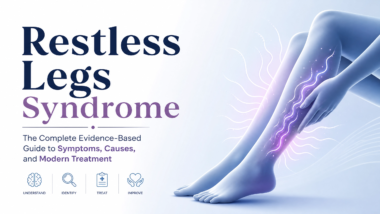
Restless legs syndrome, also known as Willis-Ekbom disease, is a neurological sleep disorder that causes an uncontrollable urge to move the legs. The sensations are almost always uncomfortable and typically worsen during periods of rest, especially in the evening and at night. Moving the legs temporarily relieves the discomfort, but the relief is short-lived, and the cycle repeats.
RLS is classified as a sleep-related movement disorder. It is recognized by the International Classification of Sleep Disorders as one of the most common conditions affecting sleep quality worldwide. Despite its prevalence, restless legs syndrome remains significantly underdiagnosed, with many sufferers dismissing their symptoms as stress, poor circulation, or simply a bad habit.
The condition is not just about restless legs. It is about the cascade of problems that follow. When your legs demand movement at bedtime, falling asleep becomes a battle. When you finally do sleep, periodic limb movements may jerk you awake repeatedly. The result is fragmented, non-restorative sleep that leaves you exhausted, irritable, and struggling to function during the day.
Recognizing the Symptoms of Restless Legs Syndrome
The International Restless Legs Syndrome Study Group has established five essential criteria for diagnosis. If you recognize these symptoms in yourself, you may have RLS.
The Five Diagnostic Criteria
1. An urge to move the legs, often accompanied by unpleasant sensations. This is the hallmark symptom. The sensations are always uncomfortable, though not necessarily painful. People describe them in many ways: crawling, creeping, pulling, drawing, tingling, prickling, worm-like, boring, electric, tension, cramping, itching, or a deep ache. These sensations are usually felt deep within the limbs rather than on the surface.
2. Symptoms worsen during periods of rest or inactivity. Sitting still for long periods, such as during a movie, a long meeting, a car ride, or a flight, often triggers or intensifies symptoms. The stillness allows the sensations to build until they become unbearable.
3. Movement provides partial or complete relief. Walking, stretching, bending the knees, or massaging the legs temporarily reduces the discomfort. This is why people with RLS often pace the floor at night or get up repeatedly to move around. The relief is real but temporary.
4. Symptoms worsen in the evening or at night. This diurnal pattern is a defining feature. For most people, symptoms are minimal or absent in the morning, build through the afternoon, and peak at bedtime. Some patients may lose this pattern over time, but the evening worsening is present in the majority of cases.
5. Symptoms are not explained by another medical or behavioral condition. Leg cramps, positional discomfort, muscle pain, or skin conditions may mimic RLS, but these have different causes and do not improve with the same interventions.
Where Do the Sensations Occur?
Despite the name, restless legs syndrome is not limited to the legs. The lower legs are affected most often, but the thighs, feet, and even arms can be involved. The face and torso are rarely affected. Some people experience symptoms in both legs simultaneously, while others feel it in one leg at a time. The severity can vary from night to night and even from leg to leg.
Periodic Limb Movements of Sleep
Many people with RLS also experience periodic limb movements of sleep, or PLMS. These are rhythmic, kick-like movements of the legs that occur during sleep, typically one to ten times per minute. The person is often unaware of these movements, but the bed partner may notice them. PLMS can fragment sleep, causing brief awakenings that the sleeper may not remember but that degrade sleep quality over time. View research on PubMed
How Common Is Restless Legs Syndrome?
Restless legs syndrome is far more common than most people realize. Research suggests that up to 7 to 10 percent of the general population may experience symptoms. Some estimates suggest that between 3 and 8 percent of people in the United States have symptoms severe enough to disrupt daily life. View study on PubMed
📊 Key Statistics
- Up to 10% of people may experience RLS symptoms at some point
- Women are affected more often than men
- Up to one-third of women experience RLS during the last trimester of pregnancy
- Up to one-third of patients with kidney failure develop RLS
- Symptoms typically worsen with age, though onset can occur in childhood
RLS appears across all ethnic backgrounds and nationalities, though some research suggests that people of European descent may have a higher prevalence. The condition can begin at any age, including childhood or even infancy. In children, symptoms are often misattributed to growing pains, hyperactivity, or attention deficit disorder, which may delay proper diagnosis for years.
What Causes Restless Legs Syndrome?
The exact cause of restless legs syndrome is not fully understood, but research points to several key factors. RLS is divided into two categories: primary and secondary.
Primary RLS: The Genetic Connection
Primary RLS occurs without an underlying medical condition and is believed to have a strong genetic component. Some research suggests that up to 75 percent of people with primary RLS have a family history of the condition. The inheritance pattern appears to be autosomal dominant, meaning that if one parent has primary RLS, each child has approximately a 50 percent chance of inheriting the predisposition. View genetic research on PubMed
Current research has identified at least six genes that may be involved in RLS, with more expected to be discovered. These genetic factors likely influence how the brain processes dopamine, a neurotransmitter that plays a central role in movement control and reward pathways.
The Dopamine Connection
Evidence suggests that restless legs syndrome is related to a dysfunction in the brain’s dopamine system. Dopamine is a chemical messenger that helps regulate movement, mood, and the sleep-wake cycle. In people with RLS, the brain may not process dopamine efficiently, particularly in the lower brainstem regions that control movement and arousal. This dopamine dysregulation may explain why symptoms worsen at night, as dopamine levels naturally fluctuate throughout the 24-hour cycle.
Iron Deficiency: A Critical Factor
Iron deficiency is one of the most significant and treatable contributors to RLS. Iron is essential for dopamine production, and low iron levels in the brain may directly trigger or worsen symptoms. Research indicates that iron deficiency should be excluded in all patients with RLS, even when full-blown anemia is not present. Blood tests measuring serum iron and ferritin levels can identify this issue. View iron and sleep research on PubMed
Some studies suggest that achieving iron levels above the normal range, sometimes described as super-normal levels, may help reduce symptom frequency and severity. Iron supplementation, under medical supervision, may provide relief for some individuals.
Secondary RLS: Underlying Conditions
Secondary RLS occurs when another medical condition triggers or worsens symptoms. Common associated conditions include:
- Peripheral neuropathy: Nerve damage in the legs, often from diabetes, can cause sensations similar to RLS and may trigger the syndrome
- Kidney failure: Up to one-third of patients with renal failure develop RLS, likely due to toxin buildup and iron metabolism changes
- Pregnancy: Hormonal changes, iron demands, and increased blood volume during the third trimester may trigger RLS in up to one-third of pregnant women
- Diabetes: Blood sugar fluctuations and nerve damage may contribute to RLS symptoms
- Rheumatoid arthritis: Inflammation and pain may worsen or mimic RLS
- Multiple sclerosis: Nerve damage may trigger restless leg sensations
- Varicose veins: Poor circulation may contribute to leg discomfort
Medications and Substances That May Worsen RLS
Several medications and substances can trigger or aggravate restless legs syndrome:
- Antidepressants: Some antidepressants, particularly mirtazapine, may worsen RLS symptoms
- Antihistamines: Over-the-counter allergy and sleep medications containing antihistamines may aggravate symptoms
- Alcohol: Research suggests alcohol may disrupt sleep architecture and worsen RLS
- Caffeine: High intake from coffee, tea, cola, or chocolate may intensify symptoms
- Nicotine: Tobacco use may contribute to symptom severity
Some research suggests that melatonin supplements may also worsen RLS symptoms in certain individuals, possibly because melatonin can influence dopamine signaling. View NIH melatonin information
How Is Restless Legs Syndrome Diagnosed?
There is no single laboratory test that can definitively diagnose RLS. Diagnosis is based primarily on the symptoms you report to your healthcare provider. A thorough medical history, family history, and physical examination are essential.
What Your Doctor Will Ask
Your healthcare provider will likely ask about the nature of your leg sensations, when they occur, what relieves them, and how they affect your sleep. They may ask whether family members have similar symptoms, as the genetic link is strong. A questionnaire may be used to classify symptoms from mild to severe.
Tests That May Be Ordered
While no test can confirm RLS directly, several tests can rule out other conditions and identify contributing factors:
- Blood tests: To check for iron deficiency, anemia, diabetes, and kidney function
- Nerve conduction studies: To detect peripheral neuropathy
- Electromyography: To assess muscle and nerve function
- Sleep study (polysomnography): To measure periodic limb movements and their impact on sleep quality
The Role of Bed Partners
Bed partners often provide valuable information that the patient may not be aware of. They may describe toe movements, ankle flexing, leg twitching, or kicking that disrupts both partners’ sleep. This observational evidence can be helpful in establishing the severity and frequency of symptoms.
How Restless Legs Syndrome Destroys Your Sleep
The impact of RLS on sleep goes far beyond the leg sensations themselves. The condition creates a cascade of sleep disruption that affects every aspect of your health and daily functioning.
Difficulty Falling Asleep
Because symptoms peak at bedtime, people with RLS often spend hours lying awake, unable to find a comfortable position. The urge to move conflicts with the need to stay still for sleep. This delay in sleep onset can reduce total sleep time significantly, even if the person stays in bed for eight hours.
Fragmented Sleep Architecture
Periodic limb movements during sleep cause brief, often unnoticed awakenings that fragment the sleep cycle. These micro-arousals prevent the deep, restorative stages of sleep that are essential for physical recovery, memory consolidation, and immune function. Over time, this sleep fragmentation leads to chronic sleep deprivation.
Daytime Consequences
The sleep disruption caused by RLS produces measurable daytime impairment. People with untreated RLS often report:
- Excessive daytime sleepiness and fatigue
- Difficulty concentrating and memory problems
- Irritability and mood changes
- Reduced work or school performance
- Increased risk of accidents due to drowsiness
Mental Health Impact
Some research suggests that psychiatric disorders such as depression and anxiety are common in patients with restless legs syndrome. The relationship is bidirectional: poor sleep worsens mood, and depression can amplify the perception of physical discomfort. The chronic frustration of being unable to sleep can itself become a significant source of stress and anxiety. View study on sleep and mental health
🧮 RLS Symptom Severity Calculator
Rate your symptoms to understand how severe your restless legs may be
Your RLS Severity Assessment
🎯 Do You Have Restless Legs Syndrome? Self-Assessment Quiz
5 questions based on the international diagnostic criteria
1. Do you have an urge to move your legs, often accompanied by uncomfortable sensations?
2. Do these sensations worsen when you are resting or sitting still?
3. Does moving your legs (walking, stretching) provide relief?
4. Are your symptoms worse in the evening or at night compared to the morning?
5. How long have you been experiencing these symptoms?
Your RLS Likelihood Assessment
Natural Relief Strategies for Restless Legs Syndrome
While prescription medications exist for severe RLS, many people find relief through natural and lifestyle-based approaches. These strategies are generally safe, low-cost, and can be implemented immediately.
Iron Optimization
Because iron deficiency is one of the most common and treatable contributors to RLS, optimizing iron levels should be a first step. Ask your healthcare provider to check your serum ferritin and iron levels. If levels are low, iron supplementation under medical supervision may help. Some research suggests that achieving ferritin levels above 75 micrograms per liter may be associated with symptom improvement. View iron and sleep research
Iron-rich foods include red meat, spinach, lentils, fortified cereals, and pumpkin seeds. Vitamin C enhances iron absorption, so pairing iron-rich foods with citrus fruits or bell peppers may help. Avoid drinking tea or coffee with iron-rich meals, as tannins can inhibit absorption.
Magnesium Supplementation
Magnesium plays a role in nerve function and muscle relaxation. Some individuals report that magnesium supplements help reduce the intensity of RLS symptoms. Research suggests that magnesium may support muscle relaxation and nerve health. The recommended dietary allowance for magnesium is 310 to 420 milligrams per day for adults. Food sources include nuts, seeds, whole grains, leafy greens, and dark chocolate.
Regular Exercise
Moderate physical activity may help reduce RLS symptoms, though the timing matters. Exercise earlier in the day is generally recommended, as vigorous exercise close to bedtime may temporarily worsen symptoms. Activities like walking, swimming, yoga, and gentle stretching are often well-tolerated. Avoid overexertion, as extreme fatigue can sometimes trigger symptoms.
Leg Massage and Stretching
Massaging the legs, particularly the calves and thighs, before bed may provide temporary relief. Gentle stretching exercises targeting the hamstrings, calves, and hip flexors can reduce muscle tension. Some people find that a warm bath or heating pad before bed helps relax the muscles and reduce the urge to move.
Pneumatic Compression and Vibration Therapy
Pneumatic compression devices, which gently squeeze the legs, may help reduce RLS symptoms for some individuals. These devices are sometimes used to improve circulation and reduce the urge to move. Vibration therapy, using devices that deliver low-frequency vibration to the legs, has also been explored. Some studies suggest that vibration treatment may reduce muscle activity and improve sleep quality in certain individuals. View research on vibration therapy
Mental Distraction Techniques
Some research suggests that mentally engaging activities may help reduce RLS symptoms by providing distraction. Crossword puzzles, video games, reading, or other cognitively demanding tasks during periods of rest may shift attention away from leg sensations. This approach is particularly useful during long periods of sitting, such as flights or meetings.
Lifestyle Changes That May Help Manage RLS
Beyond targeted interventions, broader lifestyle adjustments can create an environment that reduces RLS triggers and supports better sleep.
Sleep Hygiene for RLS Sufferers
Good sleep hygiene is essential for everyone, but it is especially important for people with RLS:
- Go to bed and wake up at the same time every day, even on weekends
- Create a relaxing bedtime routine that starts 30-60 minutes before sleep
- Keep your bedroom cool, dark, and quiet
- Use your bed only for sleep and intimate activities
- Get out of bed if you cannot fall asleep within 20-30 minutes and do something calming until sleepy
Avoid Known Triggers
Identifying and avoiding your personal triggers can significantly reduce symptom frequency:
- Caffeine: Limit or eliminate coffee, tea, energy drinks, and chocolate, especially after midday
- Alcohol: Avoid alcohol in the evening, as it may disrupt sleep and worsen RLS
- Nicotine: Quit smoking, as nicotine is a stimulant that may aggravate symptoms
- Antihistamines: Avoid over-the-counter sleep aids and allergy medications containing diphenhydramine or doxylamine, as these may worsen RLS
- Certain antidepressants: If you take antidepressants, discuss with your doctor whether they might be contributing to your symptoms
Evening Routine Adjustments
Because RLS symptoms peak at night, your evening routine is critical:
- Take a warm bath 1-2 hours before bed to relax muscles
- Do gentle leg stretches before getting into bed
- Apply a heating pad or warm compress to your legs
- Practice relaxation techniques such as deep breathing or progressive muscle relaxation
- Avoid heavy meals close to bedtime
- Limit fluids in the evening to reduce nighttime bathroom trips
Work Environment Modifications
If you sit for long periods during the day, take breaks every 30-60 minutes to stand, walk, or stretch. Consider a standing desk or desk pedal exerciser to keep your legs moving during sedentary work. During long meetings or flights, choose an aisle seat so you can get up and move periodically.
Sleep Support Products for People with Restless Legs
While lifestyle changes address the root causes of RLS, many people benefit from additional sleep support while they work on long-term management. The following products are designed to support natural sleep patterns and may help you fall asleep faster and stay asleep longer, even when RLS symptoms are present.
🔗 Affiliate Disclosure: We earn a commission if you purchase through this link, at no extra cost to you.
🌙 Sleep Restore Pro
A natural sleep support formula designed to help you fall asleep faster and experience deeper, more restorative sleep.
According to the product label, the manufacturer states that Sleep Restore Pro combines melatonin with calming botanicals and essential minerals to support your body’s natural sleep-wake cycle. The formula includes ingredients that may help reduce nighttime awakenings and promote a sense of calm before bed.
- May help reduce the time it takes to fall asleep
- Supports deeper, more continuous sleep cycles
- Contains melatonin to support circadian alignment
- Includes calming botanical extracts
- Designed for adults struggling with sleep onset
For people with restless legs syndrome, falling asleep is often the hardest part of the night. The urge to move can keep you awake for hours, creating a cycle of sleep deprivation that worsens over time. Many users report that Sleep Restore Pro helps them fall asleep more quickly, which is critical for RLS sufferers who need to get to sleep before symptoms intensify. The manufacturer recommends taking it 30 minutes before your desired bedtime as part of a consistent sleep routine. If you have been struggling with delayed sleep onset due to restless legs, this product may provide the support your body needs while you implement the lifestyle changes discussed in this guide.
Learn More About Sleep Restore Pro →Claims about this specific product are based on manufacturer-provided information. Individual results vary. This product is not intended to diagnose, treat, cure, or prevent any disease.
🔗 Affiliate Disclosure: We earn a commission if you purchase through this link, at no extra cost to you.
💤 Dream Deep Complex
A premium sleep formula designed to support deep, uninterrupted sleep cycles and improve overall sleep quality.
According to the product label, the manufacturer states that Dream Deep Complex focuses on enhancing the quality of sleep rather than just helping you fall asleep. The formula contains ingredients that may support the production of sleep-promoting neurotransmitters and help maintain stable sleep architecture throughout the night.
- Supports deep, uninterrupted sleep cycles
- May help maintain stable sleep architecture
- Designed to reduce nighttime awakenings
- Contains ingredients that support neurotransmitter production
- Formulated for adults with poor sleep quality
This is particularly important for people with restless legs syndrome because periodic limb movements during sleep can fragment your rest, causing you to wake up multiple times without fully realizing it. Many users report waking up feeling more refreshed and experiencing less daytime grogginess after using Dream Deep Complex consistently. The manufacturer suggests that the formula works best when combined with a regular sleep schedule and a dark, cool sleep environment. If your RLS causes you to wake up frequently during the night or experience poor sleep quality, this product may help you achieve the deep, continuous sleep your body needs to recover and function properly during the day.
Learn More About Dream Deep Complex →Claims about this specific product are based on manufacturer-provided information. Individual results vary. This product is not intended to diagnose, treat, cure, or prevent any disease.
Both products are intended to complement, not replace, the RLS management strategies outlined in this guide. They work best when combined with iron optimization, trigger avoidance, regular exercise, and the other lifestyle interventions discussed above. Individual results vary, and these products are not intended to diagnose, treat, cure, or prevent any disease.
When to See a Healthcare Provider
Restless legs syndrome is a real medical condition, and there is no shame in seeking help. You should consult a healthcare provider if:
- Your symptoms occur at least twice per week and interfere with your sleep or daily life
- You have symptoms that have persisted for more than three months
- You experience significant daytime fatigue, mood changes, or difficulty concentrating
- Your bed partner reports that you kick, twitch, or move frequently during sleep
- You have symptoms of depression, anxiety, or other mental health concerns alongside your sleep problems
- You are pregnant and experiencing severe RLS symptoms
- You have a family history of RLS and are concerned about your own symptoms
A healthcare provider can rule out underlying conditions, check your iron levels, and discuss treatment options. In some cases, referral to a sleep specialist for a polysomnogram may be recommended to assess the full impact of your symptoms on sleep quality.
Frequently Asked Questions About Restless Legs Syndrome
No. Leg cramps are sudden, painful muscle contractions that typically affect the calf or foot. RLS is an uncomfortable sensation accompanied by an urge to move, not a cramp. The relief mechanism is also different: stretching helps cramps, while walking or movement helps RLS. If you are unsure which you have, a healthcare provider can help distinguish between them.
In some cases, yes. RLS triggered by pregnancy often resolves after delivery. RLS caused by iron deficiency may improve once iron levels are restored. However, primary RLS, which has a genetic component, tends to be a lifelong condition that worsens gradually with age. Even when RLS does not go away completely, symptoms can often be managed effectively with lifestyle changes and, when necessary, medical treatment.
No. Although some medications used to treat Parkinson’s disease are also used for RLS, the two conditions are distinct. RLS does not cause Parkinson’s disease or any other neurological condition. The shared medications work because both conditions involve dopamine dysfunction, but the underlying diseases are different.
The exact reason is not fully understood, but it is believed to be related to the natural circadian fluctuation of dopamine levels. Dopamine tends to be lowest in the evening and at night, which may allow RLS symptoms to emerge more strongly. The body’s internal clock also influences how the nervous system processes sensations, and the evening shift toward sleep may make the brain more sensitive to discomfort signals from the legs.
Yes, RLS can begin in childhood or even infancy. In children, symptoms are often misdiagnosed as growing pains, hyperactivity, or attention deficit disorder. Children may not describe the sensations accurately and may simply appear irritable, restless, or have difficulty concentrating due to poor sleep. If your child complains of leg discomfort at night, has trouble falling asleep, or shows signs of daytime fatigue, RLS should be considered as a possibility.
Iron supplements may help if your RLS is associated with iron deficiency. However, they are not a cure for everyone. Some people with normal iron levels still have RLS, and others with low iron may not see complete symptom resolution. Iron supplementation should only be done under medical supervision, as too much iron can be harmful. Your doctor can check your ferritin levels and recommend appropriate dosing.
There is no single definitive test for RLS. Diagnosis is based on your symptoms and medical history. Your doctor may order blood tests to check for iron deficiency, anemia, diabetes, or kidney problems. A sleep study can detect periodic limb movements and assess how they affect your sleep. In some cases, nerve conduction studies may be performed to rule out peripheral neuropathy.
Yes, many people find that caffeine aggravates their RLS symptoms. Caffeine is a stimulant that affects the nervous system and may interfere with dopamine signaling. Research suggests that reducing or eliminating caffeine, especially in the afternoon and evening, may help reduce symptom severity. If you consume a lot of caffeine, try cutting back gradually to avoid withdrawal headaches.
Augmentation is a complication that can occur with certain medications, particularly dopamine agonists. It causes RLS symptoms to appear earlier in the day, become more intense, spread to other body parts such as the arms or torso, and occur more frequently. If you are on medication for RLS and notice these changes, contact your healthcare provider immediately. Augmentation can often be managed by adjusting the medication.
Foods rich in iron and magnesium may support RLS management. Iron-rich foods include red meat, spinach, lentils, fortified cereals, and pumpkin seeds. Magnesium-rich foods include almonds, cashews, peanuts, whole grains, bananas, and leafy greens. Some people also find that reducing sugar and processed foods helps. There is no specific RLS diet, but a balanced, nutrient-rich eating pattern supports overall nerve and muscle health.
Yes, moderate exercise is generally beneficial for RLS. Walking, swimming, cycling, and yoga are often well-tolerated. However, vigorous exercise close to bedtime may temporarily worsen symptoms for some people. The key is timing: aim to exercise earlier in the day and avoid overexertion. Gentle stretching before bed can also help relax the muscles.
Yes, there is a well-documented connection between RLS and mental health. The chronic sleep deprivation caused by RLS can lead to irritability, depression, and anxiety. Some research suggests that psychiatric disorders are more common in people with RLS than in the general population. The relationship is bidirectional: poor sleep worsens mood, and depression can make physical sensations feel more intense. Treating both the sleep problem and the mental health concern is important for overall wellbeing.
Bed partners often notice periodic limb movements, kicking, or twitching that the person with RLS is unaware of. Sharing a bed with someone who has RLS can be disruptive to the partner’s sleep as well. Open communication is important. Your partner should understand that the movements are involuntary and that you are not doing it intentionally. Using separate blankets, a larger bed, or even separate beds temporarily may help both of you get better rest while you work on managing symptoms.
📚 About This Guide
We spent weeks digging through the latest research on Restless Legs Syndrome so you don’t have to. Here is what we found and how we put this guide together:
- We reviewed publicly available peer-reviewed studies on RLS, dopamine, and iron deficiency (citations provided throughout)
- We referenced clinical guidelines from the International Restless Legs Syndrome Study Group, NHS, and academic medical centers
- We cross-checked safety information from the FDA, NIH Office of Dietary Supplements, and European Food Safety Authority
- We only included treatments and ingredients that have published human clinical data
- We clearly disclose all affiliate relationships so you know when we may earn a commission
We do not accept payment for positive reviews. Our product recommendations are based on ingredient quality, dosing transparency, and alignment with published sleep research. We update this guide periodically as new information becomes available.