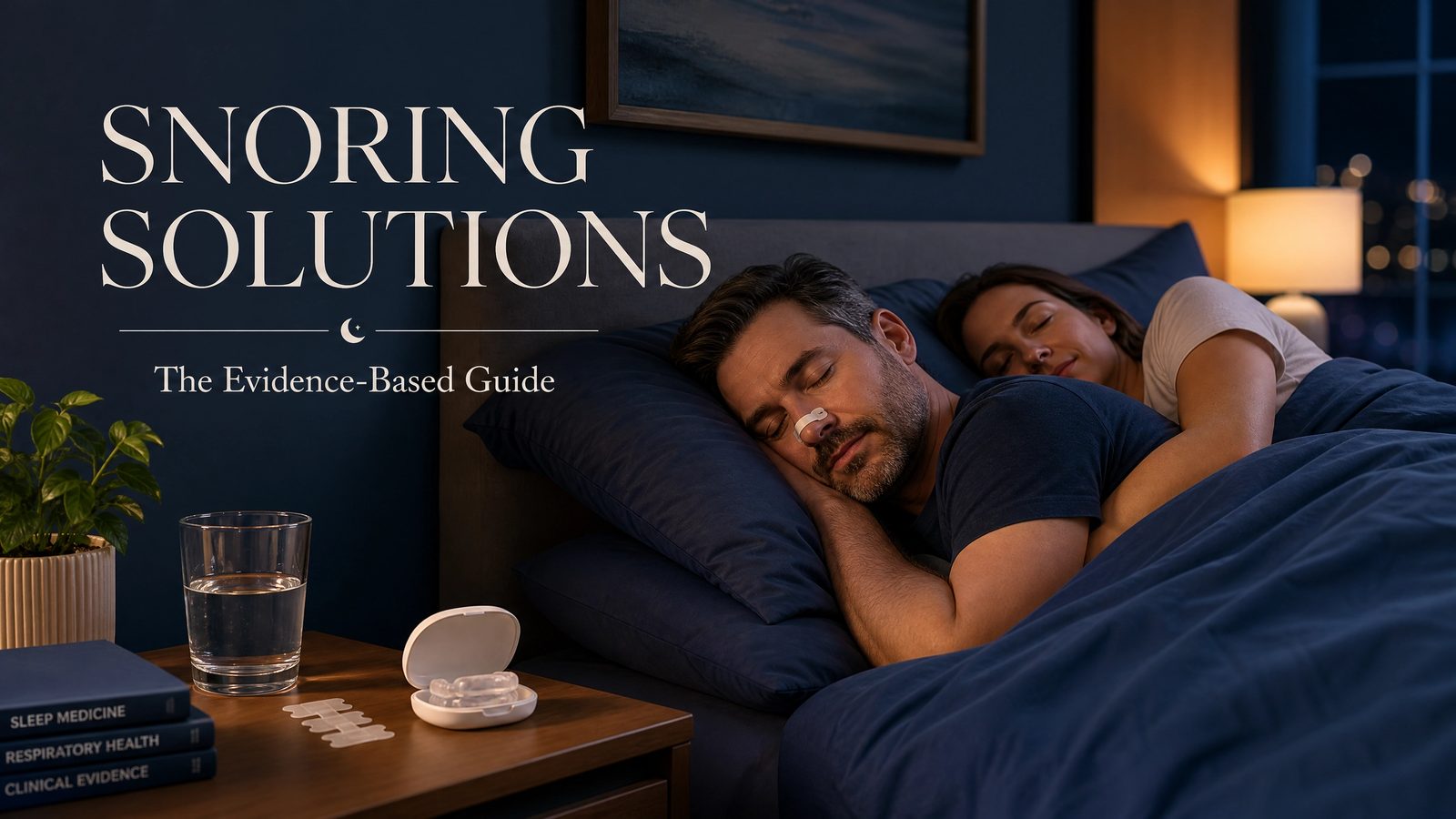

Snoring Solutions: Evidence-Based Guide to Quieter Nights and Better Sleep
Why you snore, what it means for your health, and proven strategies to silence the noise and reclaim restful sleep
📖 A note from us → We spent weeks digging through the research on snoring so you don’t have to. Here is what actually works: lifestyle changes, anti-snoring devices, and when to see a doctor about sleep apnea.
⚕️ Disclaimer: We are affiliate marketers, not doctors. Snoring can be a sign of sleep apnea. Always consult a healthcare provider.
📝 Editorial & Review Policy
This guide was prepared by the DeepSleepAid editorial team based on publicly available research. No individual medical professional has reviewed this specific article. Information presented here is drawn from:
- Peer-reviewed studies accessible via PubMed (citations linked below)
- Publicly available clinical guidelines from health organizations
- Safety data from regulatory bodies (FDA, NIH, NHS)
We have not personally reviewed original research data. This guide synthesizes publicly available information for educational purposes.
Always consult a licensed healthcare provider before starting any new supplement or treatment.
📑 Table of Contents
- What Is Snoring and Why It Matters
- What Causes Snoring?
- Health Risks of Chronic Snoring
- Snoring vs. Sleep Apnea
- Lifestyle Solutions That May Help
- Anti-Snoring Products and Devices
- 🧮 Snoring Severity Calculator
- 🎯 Do You Have Sleep Apnea? Risk Quiz
- Sleep Support Products
- When to See a Doctor
- Frequently Asked Questions
- About This Guide
⚕️ Medical Disclaimer: This information is for educational purposes only and is not medical advice. The supplements and strategies mentioned have not been evaluated by the FDA for all conditions discussed. Individual results vary. This page contains affiliate links. Consult your doctor before starting any sleep treatment, supplement, or lifestyle change, especially if you take medications or have a medical condition. These products are not intended to diagnose, treat, cure, or prevent any disease.
What Is Snoring and Why It Matters
Snoring is the sound produced when airflow through the mouth and nose is partially obstructed during sleep. As air passes through narrowed passages, the surrounding tissues vibrate, creating the familiar rattling, rumbling, or whistling noise. It is a common condition that affects approximately 45 percent of adults at least occasionally, with habitual snoring affecting around 25 percent of the adult population. Men are affected approximately twice as often as women, though postmenopausal women see increased rates.
While snoring is often treated as a joke or a minor annoyance, it can be a sign of a more serious underlying issue. Research suggests that up to 75 percent of people who snore habitually may have obstructive sleep apnea, a condition where breathing repeatedly stops and starts during sleep. Even without sleep apnea, chronic snoring can fragment sleep, reduce oxygen levels, and strain the cardiovascular system over time.
Snoring does not just affect the snorer. Bed partners of heavy snorers often experience sleep deprivation, leading to relationship strain, daytime fatigue, and even separate sleeping arrangements. The social and health consequences of snoring make it a problem worth addressing seriously rather than dismissing.
What Causes Snoring?
Snoring occurs when the muscles of the throat relax during sleep, causing the tongue to fall backward and the airway to narrow. As you breathe, the walls of the throat vibrate, producing sound. Several factors can contribute to this narrowing.
Anatomy and Physical Structure
Some people are simply built to snore. A thick or long soft palate, enlarged uvula, bulky throat tissue, or a naturally narrow airway can all increase the likelihood of snoring. Men typically have narrower air passages than women, which may explain the higher prevalence of snoring in men. Structural issues like a deviated septum or nasal polyps can also restrict airflow and contribute to snoring.
Body Weight and Neck Circumference
Excess weight, particularly around the neck, can compress the airway and increase the likelihood of snoring. Research suggests that people with a neck circumference greater than 17 inches may be at higher risk. Weight gain around the throat squeezes the internal diameter of the airway, making it more likely to collapse during sleep. However, thin people snore too, so weight is not the only factor. View study on PubMed
Alcohol and Sedatives
Alcohol and sedative medications reduce the resting tone of the muscles in the back of the throat. Drinking alcohol four to five hours before bedtime can make snoring worse, and people who do not normally snore may snore after drinking. Tranquilizers such as lorazepam and diazepam can have a similar effect. Avoiding alcohol in the evening is one of the simplest and most effective ways to reduce snoring.
Sleep Position
Sleeping on your back allows the base of the tongue and soft palate to collapse against the back wall of the throat, creating a vibrating sound. Side sleeping may help prevent this by keeping the airway more open. Some people find that elevating the head of the bed or using extra pillows helps, though this can occasionally cause neck pain.
Nasal Congestion and Allergies
When nasal passages are clogged or narrowed due to a cold, allergies, or sinus issues, air moves faster through the restricted space, increasing turbulence and vibration. Dust mites in pillows, pet dander, and bedroom allergens can contribute to nighttime nasal congestion. A hot shower before bed, saline nasal rinses, or nasal strips may help open passages.
Aging
As people age, the muscle tone in the throat decreases, and the airway becomes more prone to collapse during sleep. This is why snoring often worsens with age. While you cannot stop aging, lifestyle changes can help counteract some of these effects.
Smoking
Smoking irritates the mucous membranes of the nose and throat, causing inflammation and swelling that narrows the airway. Smokers are also more likely to have nasal congestion and postnasal drip. While the evidence that quitting smoking directly reduces snoring is limited, there are already many other compelling health reasons to quit.
Dehydration
When the body is dehydrated, secretions in the nose and soft palate become stickier and more viscous, which can create more snoring. Staying well-hydrated throughout the day may help keep these secretions thinner and reduce airway resistance.
Sleep Deprivation and Poor Sleep Habits
Ironically, not getting enough sleep can make snoring worse. When you are overtired, you sleep more deeply, and the muscles in your throat become floppier, increasing the chance of airway collapse. Establishing a consistent sleep schedule and getting adequate rest may help reduce snoring severity.
Health Risks of Chronic Snoring
Chronic snoring is not just a noise problem. It can have real consequences for your health.
⚠️ Potential Health Consequences
- Cardiovascular strain: Regular snorers may be up to 5 times more likely to develop heart disease, hypertension, or stroke
- Obstructive sleep apnea: Up to 75% of habitual snorers may have this serious breathing disorder
- Gastroesophageal reflux disease (GERD): The pressure changes during snoring can pull stomach contents into the esophagus
- Mental health impact: Chronic snoring and sleep disruption are linked to higher rates of anxiety and depression
- Daytime impairment: Fragmented sleep leads to fatigue, poor concentration, and increased accident risk
- Relationship strain: Bed partner sleep deprivation can cause resentment and conflict
Research suggests that the vibration and resistance in the airway during snoring may cause micro-injuries to blood vessels over time, potentially contributing to atherosclerosis and other cardiovascular issues. The repeated drops in oxygen levels can also trigger the release of stress hormones, raising blood pressure and heart rate during sleep.
Snoring vs. Sleep Apnea: How to Tell the Difference
Not all snoring is sleep apnea, but all sleep apnea involves snoring. Knowing the difference is critical because sleep apnea requires medical treatment.
Simple Snoring
Simple snoring, also called primary snoring, occurs without breathing pauses. The person snores consistently but does not stop breathing. While it can still disrupt sleep quality and annoy bed partners, it does not carry the same immediate health risks as sleep apnea.
Obstructive Sleep Apnea (OSA)
Obstructive sleep apnea occurs when the airway collapses completely during sleep, causing breathing to stop for 10 seconds or more. These pauses can happen dozens or even hundreds of times per night. The brain briefly wakes the person to resume breathing, though they may not remember these awakenings. Signs of OSA include:
- Loud, chronic snoring with noticeable pauses in breathing
- Gasping or choking sounds during sleep
- Excessive daytime sleepiness despite adequate time in bed
- Morning headaches
- Difficulty concentrating or memory problems
- High blood pressure, especially if resistant to treatment
- Restless sleep and night sweats
If you suspect sleep apnea, consult a healthcare provider. A sleep study can confirm the diagnosis and guide appropriate treatment.
Lifestyle Solutions That May Help Reduce Snoring
Before spending money on devices or considering surgery, try these evidence-based lifestyle changes. They are free, low-risk, and effective for many people.
Change Your Sleep Position
Sleeping on your side is one of the most effective ways to reduce snoring. When you lie on your back, gravity pulls the tongue and soft palate backward, narrowing the airway. A body pillow can help you maintain a side-sleeping position throughout the night. Some people tape a tennis ball to the back of their pajamas to discourage back sleeping, though this is uncomfortable for some.
Lose Excess Weight
If you have gained weight and started snoring, weight loss may help. Even a modest reduction in body weight can decrease the amount of fatty tissue around the neck and throat, opening the airway. Research suggests that weight loss can significantly reduce snoring severity and may even eliminate it in some cases. However, thin people snore too, so weight loss is not a guaranteed cure.
Avoid Alcohol Before Bed
Alcohol relaxes throat muscles and worsens snoring. Avoid drinking alcohol for at least four hours before bedtime. This is one of the simplest changes with a high impact for many snorers.
Stay Hydrated
Drink plenty of fluids throughout the day. Dehydration makes nasal and throat secretions stickier, increasing airway resistance. The Institute of Medicine suggests that healthy women consume about 11 cups of total water daily, and men about 16 cups, from all beverages and food.
Establish a Consistent Sleep Schedule
Going to bed and waking up at the same time every day helps prevent overtiredness, which can lead to deeper sleep and floppier throat muscles. Aim for 7 to 9 hours of sleep per night.
Clear Nasal Passages
If nasal congestion contributes to your snoring, try these approaches:
- Take a hot shower before bed to open nasal passages
- Use a saline nasal rinse or neti pot to flush out mucus and allergens
- Apply nasal strips to lift and open nasal passages
- Use a humidifier in your bedroom to keep air moist
- Manage allergies with appropriate medications or environmental controls
Keep Your Bedroom Clean
Dust mites, pet dander, and other allergens in your bedroom can cause nasal congestion that worsens snoring. Wash bedding weekly in hot water, replace pillows every six months, dust ceiling fans and surfaces regularly, and consider keeping pets out of the bedroom.
Quit Smoking
Smoking irritates and inflames the airway tissues, contributing to snoring. While the direct evidence linking smoking cessation to snoring reduction is limited, quitting smoking improves overall respiratory health and reduces nasal and throat inflammation.
Throat and Tongue Exercises
Some research suggests that exercises strengthening the muscles of the throat, tongue, and soft palate may help reduce snoring. These exercises, sometimes called oropharyngeal exercises or myofunctional therapy, involve movements like sliding the tongue back along the roof of the mouth, pressing the tongue against the hard palate, and singing or playing wind instruments. View research on PubMed
Anti-Snoring Products and Devices
When lifestyle changes are not enough, several products and devices may help reduce or eliminate snoring. Individual results vary, and what works for one person may not work for another.
Nasal Dilating Strips
These adhesive strips are applied across the bridge of the nose at bedtime. They work by physically pulling the nostrils open, increasing airflow through the nasal passages. Nasal strips are inexpensive, non-invasive, and may help if nasal congestion or narrow nasal passages contribute to snoring. Some small studies suggest they may reduce snoring intensity, though results are mixed. View research on PubMed
Anti-Snoring Mouthpieces and Mandibular Advancement Devices
These oral appliances work by pulling the lower jaw slightly forward, which in turn moves the tongue forward and opens the upper airway. Custom-fitted devices made by dentists are generally more effective than over-the-counter versions, but they are also more expensive, typically costing around $1,000. DIY kits are available at lower cost but may not fit as well. Some people experience jaw discomfort or tooth movement with long-term use.
Anti-Snore Pillows and Positioning Devices
Special pillows designed to keep the head and neck in a position that maintains an open airway may help some snorers. These pillows often have contours that encourage side sleeping or elevate the head slightly. A regular body pillow can also help maintain side-sleeping position. Be cautious about pillows that prop the head too high, as this can cause neck pain.
Chin Straps
Chin straps wrap around the head and under the chin to keep the mouth closed during sleep, encouraging nasal breathing. They may help mouth snorers but are generally not effective for snoring caused by nasal or throat issues. Some people find them uncomfortable or claustrophobic.
Humidifiers
Dry air can irritate nasal and throat tissues, worsening snoring. A bedroom humidifier adds moisture to the air, which may help keep airways open and reduce tissue vibration. This is particularly helpful in winter or in dry climates.
CPAP Machines
Continuous positive airway pressure machines are the gold standard treatment for obstructive sleep apnea. They deliver a steady stream of air through a mask, keeping the airway open. While highly effective for sleep apnea, CPAP is generally not recommended for simple snoring without apnea. A sleep study and prescription are required.
Surgical Options
Several outpatient procedures exist for severe, persistent snoring that does not respond to conservative measures. These should be considered only after lifestyle changes and devices have been tried:
- LAUP (Laser-Assisted Uvulopalatoplasty): Uses a laser to shorten the uvula and make small cuts in the soft palate, which stiffens as it heals
- Palatal implants (Pillar procedure): Involves implanting small plastic rods into the soft palate to stiffen it and prevent collapse
- Somnoplasty: Uses radiofrequency energy to heat and shrink soft palate tissue
These procedures carry risks and are not guaranteed to eliminate snoring. Consult an ear, nose, and throat specialist to discuss whether surgery is appropriate for your situation.
🧮 Snoring Severity Calculator
Rate your snoring patterns to understand severity and next steps
Your Snoring Severity Assessment
🎯 Do You Have Sleep Apnea? Risk Assessment Quiz
5 questions to assess your risk for obstructive sleep apnea
1. Does your snoring bother your bed partner or disrupt their sleep?
2. Has anyone witnessed you stop breathing during sleep?
3. How do you feel when you wake up in the morning?
4. Do you fall asleep during daytime activities (reading, watching TV, driving)?
5. What is your body mass index (BMI) category?
Your Sleep Apnea Risk Level
🚨 STOP: Is your snoring a sign of sleep apnea? 🚨
If you or your partner has noticed you stop breathing, gasp, or choke during sleep, or if you experience severe daytime sleepiness, do not buy products yet. See a doctor first. Sleep apnea is a serious medical condition linked to heart attack, stroke, and sudden death. The products below are for general sleep support only and do NOT treat sleep apnea.
Sleep Support Products That May Help Snorers
While lifestyle changes and devices address the mechanical causes of snoring, many people benefit from additional sleep support to improve sleep quality while they work on long-term solutions. The following products are designed to support natural sleep patterns and may help you fall asleep faster and experience deeper, more restorative rest.
🔗 Affiliate Disclosure: We earn a commission if you purchase through this link, at no extra cost to you.
🌙 Sleep Restore Pro
A natural sleep support formula designed to help you fall asleep faster and experience deeper, more restorative sleep.
According to the product label, the manufacturer states that Sleep Restore Pro combines melatonin with calming botanicals and essential minerals to support your body’s natural sleep-wake cycle. The formula includes ingredients that may help reduce nighttime awakenings and promote a sense of calm before bed.
- May help reduce the time it takes to fall asleep
- Supports deeper, more continuous sleep cycles
- Contains melatonin to support circadian alignment
- Includes calming botanical extracts
- Designed for adults struggling with sleep onset
For people who snore, falling asleep quickly is important because the longer you lie awake, the more opportunity there is for airway tissues to relax and begin vibrating. Many users report that Sleep Restore Pro helps them fall asleep more quickly, which may reduce the window of time during which snoring can develop. The manufacturer recommends taking it 30 minutes before your desired bedtime as part of a consistent sleep routine. If you have been struggling with delayed sleep onset or find that overtiredness worsens your snoring, this product may provide the support your body needs while you implement the lifestyle changes discussed in this guide.
Learn More About Sleep Restore Pro →Claims about this specific product are based on manufacturer-provided information. Individual results vary. This product is not intended to diagnose, treat, cure, or prevent any disease.
🔗 Affiliate Disclosure: We earn a commission if you purchase through this link, at no extra cost to you.
💤 Dream Deep Complex
A premium sleep formula designed to support deep, uninterrupted sleep cycles and improve overall sleep quality.
According to the product label, the manufacturer states that Dream Deep Complex focuses on enhancing the quality of sleep rather than just helping you fall asleep. The formula contains ingredients that may support the production of sleep-promoting neurotransmitters and help maintain stable sleep architecture throughout the night.
- Supports deep, uninterrupted sleep cycles
- May help maintain stable sleep architecture
- Designed to reduce nighttime awakenings
- Contains ingredients that support neurotransmitter production
- Formulated for adults with poor sleep quality
This is particularly important for snorers because fragmented sleep, whether from snoring itself or from a bed partner’s nudges, prevents your body from reaching the deep, restorative stages of sleep. Many users report waking up feeling more refreshed and experiencing less daytime grogginess after using Dream Deep Complex consistently. The manufacturer suggests that the formula works best when combined with a regular sleep schedule and a dark, cool sleep environment. If your snoring causes you to wake up frequently during the night or if your bed partner’s sleep disruptions affect your rest, this product may help you achieve the deep, continuous sleep your body needs to recover and function properly during the day.
Learn More About Dream Deep Complex →Claims about this specific product are based on manufacturer-provided information. Individual results vary. This product is not intended to diagnose, treat, cure, or prevent any disease.
Both products are intended to complement, not replace, the snoring management strategies outlined in this guide. They work best when combined with lifestyle changes, proper sleep position, and the other interventions discussed above. Individual results vary, and these products are not intended to diagnose, treat, cure, or prevent any disease.
When to See a Healthcare Provider
While many cases of snoring can be managed with lifestyle changes and over-the-counter products, some situations require professional evaluation. You should consult a healthcare provider if:
- Your snoring is loud, chronic, and occurs every night
- Someone has witnessed you stop breathing during sleep
- You wake up gasping, choking, or with a racing heart
- You experience excessive daytime sleepiness that affects work or driving
- You have morning headaches on a regular basis
- You have high blood pressure, especially if it is difficult to control
- You have been told your snoring is extremely loud or disruptive
- You have gained significant weight and your snoring has worsened
A healthcare provider can evaluate whether your snoring is simple snoring or a sign of obstructive sleep apnea. They may recommend a sleep study, which can be done at a sleep clinic or at home with a portable monitor. Early diagnosis and treatment of sleep apnea can significantly reduce the risk of cardiovascular complications and improve quality of life.
Frequently Asked Questions About Snoring Solutions
For some people, yes. If snoring is caused by a specific, addressable factor such as excess weight, alcohol consumption, or nasal congestion, eliminating that factor may stop the snoring entirely. However, snoring caused by anatomical structure, aging, or genetics may be more persistent. In these cases, the goal is management and reduction rather than complete elimination. Many people find that a combination of lifestyle changes and devices reduces snoring to a level that no longer disrupts sleep.
No. While up to 75 percent of habitual snorers may have sleep apnea, many people snore without having the condition. Simple snoring does not involve breathing pauses and does not cause the same health risks as sleep apnea. However, loud, chronic snoring should be evaluated by a healthcare provider to rule out sleep apnea, especially if other symptoms like daytime sleepiness or gasping are present.
Anti-snoring pillows may help some people by encouraging side sleeping or keeping the head and neck in a position that maintains an open airway. However, results vary significantly. Pillows that prop the head too high can cause neck pain. A regular body pillow that helps you stay on your side may be just as effective as a specialized anti-snore pillow and is often less expensive. If you want to try a pillow, look for one with a return policy.
Weight loss can help reduce snoring, especially if you gained weight around your neck and throat. Research suggests that even a modest weight reduction can decrease snoring severity. However, thin people snore too, so weight loss is not a guaranteed cure for everyone. If your snoring started after weight gain, losing weight is one of the most effective changes you can make.
Yes, for many people, side sleeping is one of the most effective ways to reduce snoring. When you sleep on your back, gravity pulls the tongue and soft palate backward, narrowing the airway. Side sleeping keeps the airway more open. If you naturally roll onto your back during sleep, a body pillow can help you maintain a side position. Some people also find success with positional therapy devices that vibrate when they roll onto their back.
Nasal strips can be helpful if nasal congestion or narrow nasal passages contribute to your snoring. They work by physically pulling the nostrils open, increasing airflow. However, they do not address snoring caused by throat tissue vibration or tongue position. Some small studies suggest they may reduce snoring intensity, but results are mixed. They are inexpensive and worth trying, especially if you have nasal issues.
Yes, children can snore, and it should not be ignored. Childhood snoring is often caused by enlarged tonsils or adenoids, allergies, or obesity. Persistent snoring in children may be a sign of pediatric sleep apnea, which can affect growth, behavior, and school performance. If your child snores regularly, consult a pediatrician for evaluation.
Yes, alcohol is a muscle relaxant that slackens the tissues of the throat, making snoring more likely. Drinking alcohol four to five hours before bed can worsen snoring significantly. Even people who do not normally snore may snore after drinking alcohol. Avoiding alcohol in the evening is one of the simplest and most effective ways to reduce snoring.
There is no single best solution because snoring has many different causes. The most effective approach depends on what is causing your snoring. For nasal congestion, strips or rinses may help. For tongue-related snoring, a mouthpiece may work. For back-sleeping snorers, positional changes are key. For overweight snorers, weight loss is often the most impactful change. Many people need a combination of approaches. Start with free lifestyle changes, then try inexpensive devices before considering expensive treatments or surgery.
Yes, chronic snoring can contribute to health problems over time. It may be a sign of obstructive sleep apnea, which increases the risk of heart disease, stroke, and high blood pressure. Even without sleep apnea, snoring can fragment sleep, reduce oxygen levels, and strain the cardiovascular system. Snoring is also associated with higher rates of GERD, morning headaches, and mental health issues like depression and anxiety.
You should see a doctor if your snoring is loud and chronic, if someone has noticed breathing pauses, if you wake up gasping, if you have excessive daytime sleepiness, or if you have high blood pressure. A doctor can determine whether you need a sleep study to check for sleep apnea. Early diagnosis and treatment can prevent serious health complications.
Some research suggests that oropharyngeal exercises, which strengthen the muscles of the throat, tongue, and soft palate, may help reduce snoring. These exercises involve movements like sliding the tongue along the roof of the mouth, pressing the tongue against the hard palate, and pronouncing certain vowel sounds. They require consistent practice over several weeks to see results. While not a guaranteed cure, they are free, safe, and worth trying alongside other strategies. View research on PubMed
Yes. Bed partners of heavy snorers often experience chronic sleep deprivation, which can lead to daytime fatigue, irritability, reduced work performance, and relationship strain. Some studies suggest that the sleep disruption experienced by bed partners may be comparable to the snorer’s own sleep fragmentation. If your partner’s snoring is affecting your sleep, encourage them to seek solutions, consider using earplugs or white noise, or discuss temporary separate sleeping arrangements while treatment is being pursued.
📚 About This Guide
This guide was created by the DeepSleepAid editorial team using information drawn from publicly available sources, including:
- Peer-reviewed studies accessible via PubMed (citations provided throughout)
- Publicly available clinical guidelines from the American Academy of Sleep Medicine, NHS, and Harvard Health
- Safety information from the FDA, NIH Office of Dietary Supplements, and European Food Safety Authority
- Exclusion of treatments and ingredients lacking published human clinical data
- Transparent disclosure of all affiliate relationships
We have not personally reviewed original research data. This guide synthesizes publicly available information for educational purposes.
We do not accept payment for positive reviews. Product recommendations are based on ingredient quality, dosing transparency, and alignment with published sleep research. This guide is updated periodically as new information becomes available.