
Short answer: Sleep after a night shift is a planned block of day sleep, not a normal bedtime that slipped. Go home, dim the lights, and get into bed once a short wind-down is done. Keep the room dark, cool and quiet, and use a later nap only to top up a broken main sleep. Bright morning light and late caffeine both make that sleep harder. This is general guidance, not medical advice. If tiredness affects your driving, your work or your safety, speak to a GP or occupational health.
In this guide
- Why day sleep after nights is harder
- A wind-down that fits a night shift
- Light and when to sleep
- Naps that help rather than hinder
- Bedroom set-up for daytime
- Caffeine, food and alcohol
- Rotating shifts and days off
- Driving and staying safe at work
- When to speak to a GP
- A sample routine
- FAQ
Why day sleep after nights is harder
Night work asks you to sleep while your body clock is set for daytime. That clock uses light as its main cue. Morning daylight, even under cloud, is a strong signal to be awake. Many people feel oddly alert on the way home, then lie in bed unable to switch off. That pattern is common. It does not mean you are bad at sleeping.
The Health and Safety Executive describes fatigue as reduced alertness that can follow too little sleep, poor sleep, long hours and shift work, including nights. Fatigue can slow reactions and make mistakes more likely. For nurses, carers, drivers and warehouse staff, that is a safety issue, not a private inconvenience. HSE guidance treats fatigue as a workplace matter for that reason.
Day sleep is also easier to fragment. Deliveries, school runs, brighter rooms and a warm house all chip away at it. You will not flip the body clock in a single morning. You can make sleep more likely with timing, darkness, a predictable wind-down and a room that feels like night.
A wind-down that fits a night shift
Treat the time after handover as the start of sleep. If the sun is out, sunglasses on the journey home take the edge off the morning light. They will not put you to sleep. They only soften a wake signal.
Indoors, keep lamps low. Change out of work clothes so the shift has a clear end. A shower, warm or cool, can be the same cue every time. Eat if you are hungry. A light meal or snack is kinder than a very large, spicy or greasy plate just before you lie down. Then stop the day. Rotas, group chats and one more episode are how a planned early bedtime slips toward late morning.
NHS advice on how to get to sleep still applies when sleep is in daylight: wind down, keep the room restful, and hold a regular pattern where the rota allows. If you are awake in bed and getting frustrated, get up. Do something quiet in dim light and come back when sleep feels closer. Staying put and checking the clock tends to make the bed a place for worry.
Light and when to sleep
Use light on purpose. Before sleep, choose dark. Once you have slept and you need to be alert for the next shift, choose light: open the curtains, step outside, or sit by a bright window. That is your morning, even when the clock says mid afternoon.
On a run of nights, a main sleep soon after the shift is usually more reliable than a long morning of jobs and a late crash. Life does not always allow that. School runs, caring and shared flats are real constraints. If you cannot sleep straight away, protect a later block and tell people when you are not available.
On the last night of a stretch, some workers take a shorter sleep, get up by early afternoon, and stay awake through the evening so an ordinary night feels possible. That can ease the change back to day shifts. It can also leave you short of sleep, so do not drive or do safety-critical work if you still feel impaired. There is no timetable that suits every rota.
Anchor the plan to the time you finish. A ward shift that ends around eight and a warehouse shift that ends around six are not the same problem. Copying a day worker’s evening routine will fight you.
Naps that help rather than hinder
Naps work better when you decide them in advance.
Before a night shift, a nap can reduce how sleepy you feel later. About 10 to 30 minutes is less likely to leave you heavy-headed. Some people prefer a longer nap of around 90 minutes, close to one sleep cycle, though cycles differ from person to person. Set an alarm and leave time to feel properly awake before you drive or start work.
A short nap on a break helps only if your workplace allows a safe rest and you are fully awake before you return to patients, the road or machinery. Do not sleep in a car on a hard shoulder or in a loading area. That is not a rest plan.
After the shift, a sit-down on the sofa is not a substitute for bed. If the main sleep was only a few hours, an early top-up before the next night can help. Keep it early enough that you can still wake properly for the commute. A long nap late in the day, stacked on a long morning sleep, can make the next day sleep harder because you have already spent the pressure to sleep.
Bedroom set-up for daytime
The room has one job in the morning: to look and feel like night.
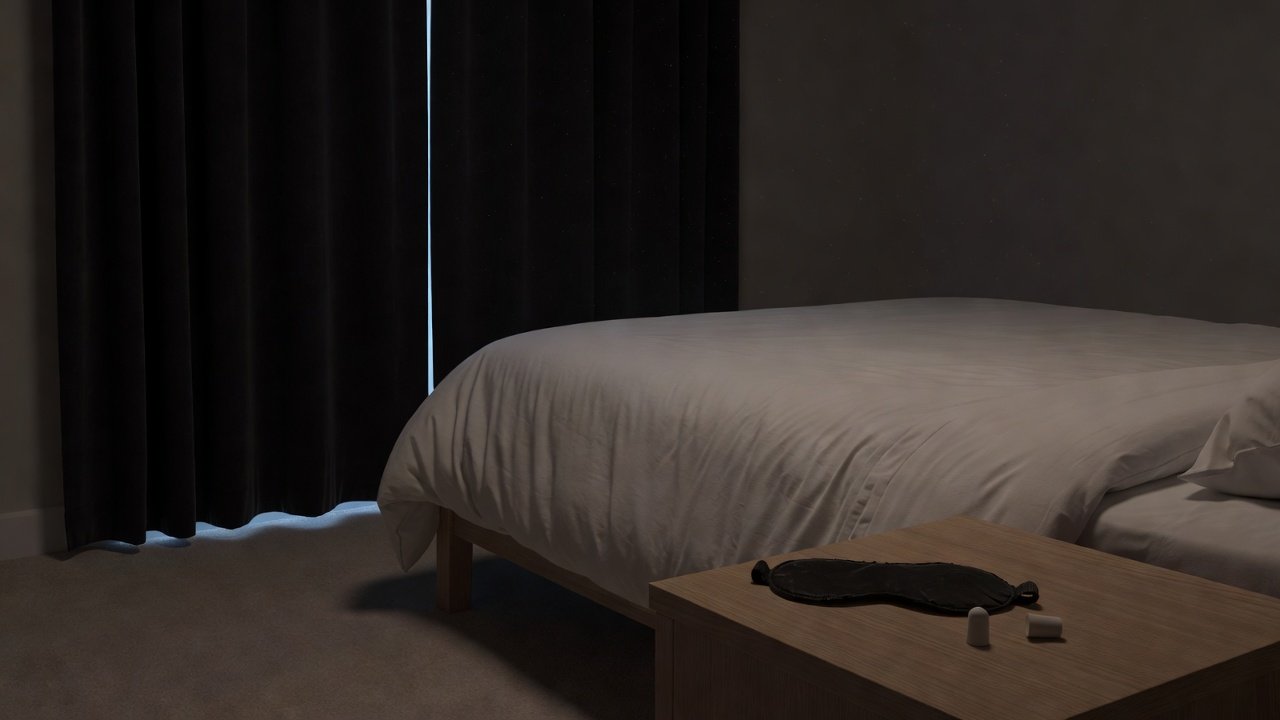
- Block the light. Blackout curtains or a blind that meets the frame beat thin drapes. Gaps at the edges undo the point. An eye mask helps in shared housing or on bright summer mornings, if it stays comfortable.
- Deal with sound. Earplugs help if you can bear them. If you cannot, a steady sound from a fan can cover doors, traffic and neighbours. Agree a quiet window with the people you live with.
- Protect the phone. Use do not disturb, with an exception only for someone who may need you in an emergency. A note on the door prevents a lot of knocks.
- Keep the room cool rather than stuffy. Close coverings before the sun heats the space, and use a fan in hot weather if you have one. Preferences differ, so aim for comfortable and cool rather than a borrowed number.
NHS advice on getting to sleep points to a restful bedroom as part of the routine, alongside the wind-down. Pain, reflux or breathlessness can still break sleep when the room is dark. A pillow you can actually rest on matters more than extra gadgets. If you already sleep better with your chest slightly raised, our article on wedge pillows for sleep: who they help and what the evidence says sets out the limits of that idea. A wedge will not reset a body clock after nights.
Habits that are not specific to shift work sit in our guide to sleep hygiene tips: 50 evidence-based strategies. Use what fits a rotating life. Leave rules that assume you finish at five in the evening.
Caffeine, food and alcohol
Caffeine is useful on a night shift and unhelpful near the end of it. It can sharpen attention, and it can stay active for several hours. How long that lasts varies with the person, the dose and whether you use it every day. A practical approach many shift workers use is to take caffeine in the first half of the shift, then switch to water or a caffeine-free drink. Count tea, coffee, cola and energy drinks, not only a strong coffee.
If you get home wide awake, another cup so you can “just sort the kitchen” will push sleep later. Alcohol is a poor substitute. It can make you drowsy and then fragment sleep, so you wake unrefreshed before the next shift. Nicotine is a stimulant too. Smoking or vaping it right before bed works against the routine you just built.
Very large meals late in the shift are a common reason people feel uncomfortable in bed. You do not have to skip food if the only hot option is at two in the morning. Smaller portions, with a fuller meal after you wake from day sleep, are easier for many people. What you tolerate is individual.
Rotating shifts and days off
A fixed run of nights is hard. A rotating pattern is a moving target. Earlies, lates and nights in one week mean the sensible bedtime keeps changing. You will not feel fully adapted, and chasing a flawless plan adds the kind of stress that keeps people awake.
On a run of similar shifts, keep the sleep window as stable as you can. On days off, choose on purpose. Some people stay on the night schedule. Others slide back toward a conventional night by a couple of hours at a time. Either can be workable. What tends to fail is a random mix: a long lie-in, then a very early start, then a night shift with no nap.
If the rota itself is the problem, with short turnarounds or no real rest between a night and an early, that is a workplace issue as well as a personal one. HSE frames fatigue as something employers should manage, not only something staff should absorb. You can raise it with a manager, a union representative or occupational health without having to prove that you cannot cope.
Driving and staying safe at work
The drive home is one of the riskier parts of night work. Sleep pressure and the body clock’s daytime alertness can clash, often on familiar roads where attention wanders. Warning signs include heavy eyelids, drifting in the lane, missing a junction you know, or not remembering the last few minutes. If those appear, you are not safe to carry on. Do not start the journey if you already feel like this. If you are already driving, stop only where you can do so safely.
Plan the commute before you are exhausted: a lift share, public transport where it exists, or a proper rest at or near work if that option is genuinely safe and allowed. A coffee and a short nap can reduce sleepiness for a while. They do not cancel a night of lost sleep. If you drive for work, your hours rules still apply on top of this routine. Check them with your employer and the official guidance for your licence.
The same standard applies on shift. If you are too tired to give medicines, move someone safely, use machinery or make a driving decision, say so. Fatigue-related mistakes are a safety problem. If you regularly feel unfit to drive after nights, tell occupational health and your GP rather than waiting for a near miss.
When to speak to a GP
This article is sleep guidance for shift workers. It is not a diagnosis and it does not replace a clinician. Speak to a GP or occupational health if any of the following apply:
- You feel drowsy while driving, or you have nodded off at the wheel or on duty.
- Tiredness is harming your work, mood or home life despite a reasonable sleep routine.
- You snore loudly, seem to pause in your breathing, gasp in your sleep, or wake with headaches. Mention the symptoms. Do not label the cause yourself.
- Low mood, anxiety, pain or another health problem feels worse on nights.
- You are considering sleep medicines or supplements, including melatonin. Do not start these on your own. A GP or pharmacist can advise what is appropriate in the UK.
Bring a simple note covering about two weeks: shift times, when you got into bed, roughly how long you slept, caffeine timing, and what woke you. That is more useful than one bad morning. Occupational health can look at the rota, breaks and temporary adjustments. A GP can look for other reasons for sleepiness.
If you are not safe to drive or to be at work now, step away from the task and get help. Use NHS 111 if you are unsure where to turn, or 999 if the situation is an emergency.
A sample routine
Use this as a shape, not a script. Shift your times to match when you actually finish. If a step clashes with caring responsibilities, keep the main sleep and drop the optional parts.
| When | What to do |
|---|---|
| End of the shift | No more caffeine. Sunglasses if the morning is bright. Decide the commute only if you feel alert. |
| Arrival home | Low lights. Change out of work clothes. Tell the household you are sleeping and put a note on the door. |
| Next 20 to 40 minutes | Shower, a light snack if you need it, phone on do not disturb. |
| Main sleep | Dark, cool, quiet room. Eye mask or earplugs if they help you. Get into bed rather than the sofa. |
| If you lie there fretting | Get up, do something quiet in dim light, and return when you feel sleepy. |
| After you get up | Bright light and ordinary jobs. This is the sensible time for a heavier meal. |
| Before the next night | A short top-up nap only if the main sleep was too short. Check again that you are fit to drive. |
FAQ
How long should I sleep after a night shift?
There is no smaller quota because the sleep happens in daylight. If you need a full night on day shifts, you still need roughly that much, even if you have to take it in two parts. Build one main sleep first. Add a short top-up only if you would otherwise be too sleepy to work or drive safely. An exact hour count matters less than whether you can stay alert.
Should I go to bed straight after a night shift?
If recovery is the aim, yes: bed soon after a short wind-down. Staying up for hours in bright light, then trying to sleep at tea time, often means a short late sleep and a rough next night. If caring or family duties delay you, take the sleep as soon as you are free rather than skipping it.
Do I need blackout curtains to sleep in the day?
You need darkness, not a particular brand of curtain. Coverings that meet the frame make day sleep easier for most people. An eye mask is a fair stand-in if you rent and cannot change the window. If you can see the room clearly with the coverings closed, light is still getting in.
Can I drink coffee on nights and still sleep afterwards?
Often, if you time it. Caffeine supports alertness and it lingers, for several hours in many people and longer in some. Using it early in the shift and stopping well before you finish gives morning sleep a better chance. A fresh coffee when you walk through the door works against you.
Is it safe to drive home after a night shift?
Only if you are genuinely alert. Familiar roads do not make fatigue safer. Heavy eyelids, weaving, or a blank gap in the journey are reasons to stop where it is safe, not reasons to push on. Arrange a lift or public transport before the shift if you can. If drowsy driving is becoming a pattern, speak to a GP or occupational health.
When should I speak to a GP instead of trying a new routine?
Speak to a GP or occupational health if sleepiness threatens driving or safety, if a fair routine is not enough, or if you also have loud snoring with pauses, gasping, morning headaches, low mood or ongoing pain. Do not start sleep medicines or melatonin without advice. Two weeks of rough sleep and shift notes give the appointment something solid to work from.