
Affiliate disclosure: This article contains affiliate links. We may earn a commission if you purchase through them, at no extra cost to you.
Why adults with ADHD often struggle to sleep, and what actually helps
Sleep problems are very common in adults with ADHD, and the most useful starting point is a combination of a consistent sleep routine, a calm low-stimulation bedroom and practical strategies that work around ADHD traits such as racing thoughts and late-night hyperfocus. Sleeping well with ADHD usually takes planning rather than willpower, and small changes to habits and routines can make a real difference over time, as the NHS explains in its guidance on falling asleep faster and sleeping better.
This guide brings together practical sleep tips for adults with ADHD, explains why ADHD and sleep problems often go hand in hand, and signposts when it is worth speaking to a GP or another health professional.
Key takeaways
- Sleep difficulties are widely reported among adults with ADHD, although estimates of how common they are vary, and many people with ADHD also describe symptoms consistent with sleep disorders such as insomnia.
- A regular sleep and wake time, seven days a week where possible, is one of the most reliable foundations for better sleep.
- ADHD-specific obstacles, such as time blindness, revenge bedtime procrastination and a racing mind at lights out, need practical workarounds rather than generic advice alone.
- ADHD medication can affect sleep for some people; any questions about timing or dose should go through your prescriber, never adjusted on your own.
- If poor sleep is affecting your daily life, mood or safety (for example around driving), seek help early rather than waiting for it to escalate.
Why does ADHD make sleep harder?
ADHD is a neurodevelopmental condition that involves trouble paying attention, difficulty controlling impulsive behaviours and, for some people, hyperactivity. It is usually first diagnosed in childhood but often lasts into adulthood, and some people are not diagnosed until they are adults, according to MedlinePlus. Many of the same traits that affect daytime life also affect bedtime.
The ADHD-sleep connection
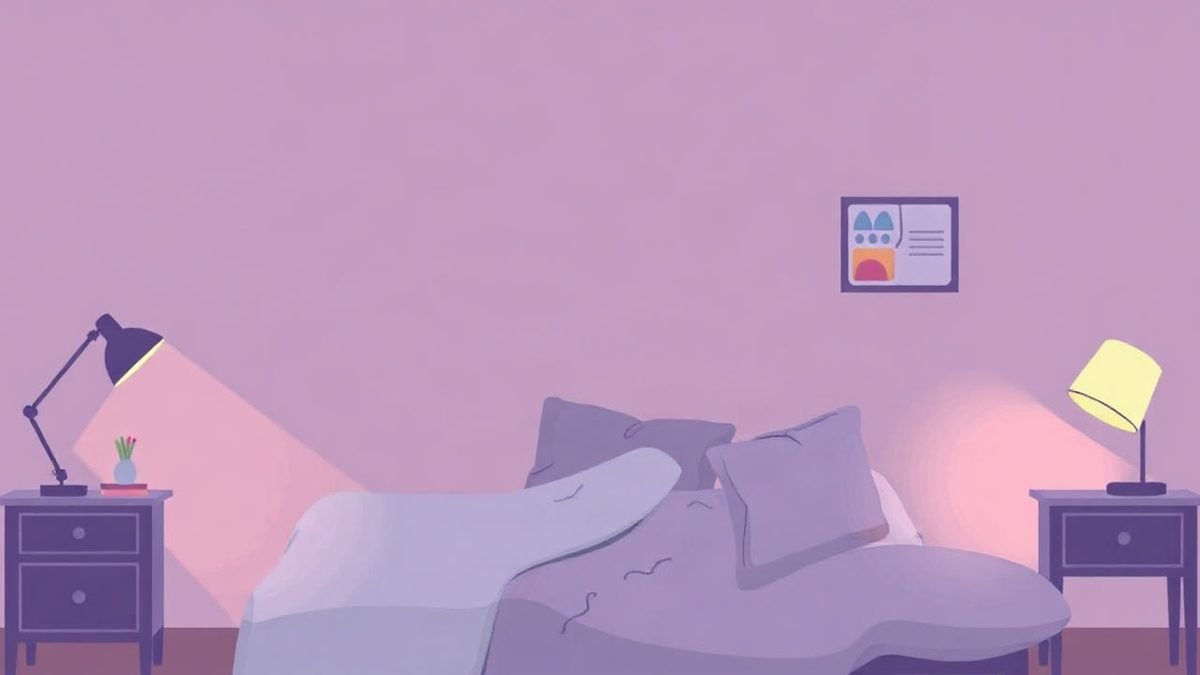
ADHD and sleep problems frequently occur together, with common issues including difficulty getting to bed in the first place, taking a long time to fall asleep, waking during the night and struggling to wake up in the morning. The direction of the relationship is complex: poor sleep can worsen attention and impulsivity, while ADHD traits can disrupt sleep, creating a cycle that is hard to break.
How symptoms differ by ADHD type
How ADHD affects sleep can vary from person to person, and may depend on whether your symptoms lean towards inattention or towards hyperactivity and impulsivity. Regardless of subtype, many adults with ADHD report daytime sleepiness and real difficulty waking or getting up in the morning. Knowing your own pattern helps you pick the strategies most likely to help you.
Common bedtime obstacles reported by adults with ADHD
Sleep difficulties are commonly reported by adults with ADHD, and the experiences often described will feel familiar to many: losing track of time in the evening, finding it hard to stop engaging tasks, a mind that will not switch off, and feeling wired rather than tired at night. Left unaddressed, these issues can affect mood, concentration, relationships and safety around driving or operating machinery.
How much sleep do adults actually need?
Most healthy adults need around 7 to 9 hours of sleep a night, although the exact amount differs from person to person, according to the NHS. Your age, health and daily routine all play a part.
How you feel during the day is often the best guide. You may not be getting enough sleep if you find it hard to wake up or start your day, feel very tired, irritable or sleepy during the day, or struggle to focus on everyday tasks. For adults with ADHD, these signs can overlap with ADHD symptoms themselves, which is one more reason to keep a simple sleep diary for a couple of weeks so you can spot your own patterns.
What are the best sleep tips for adults with ADHD?
Generic sleep advice assumes a level of evening organisation that ADHD does not always allow. These tips are adapted to work with, rather than against, ADHD traits.
1. Anchor your day with a fixed wake-up time
Going to bed and getting up at similar times each day helps your body know when it is time to sleep, which is why the NHS puts a regular routine at the heart of its sleep advice. If bedtime is unpredictable with ADHD, start by fixing your wake-up time instead and let bedtime gradually fall into place. Keep the routine as consistent as you can, even on days off.
2. Build an external bedtime runway
Working memory and time perception are common sticking points. Rather than relying on remembering, use external supports: phone or smart-speaker alarms labelled with the next step (“stop screens”, “brush teeth”, “lights out”), a visible analogue clock, and a written evening checklist by the bed. Some adults find it easier to prepare for tomorrow (laying out clothes, packing bags) earlier in the evening so bedtime involves fewer decisions.
3. Create a wind-down routine that is low-effort and repeatable
A calm bedtime routine helps you prepare for sleep, and it works best when it is short and easy to repeat. Reading, gentle stretching, a warm shower or breathing exercises are common choices. The NHS also offers relaxation resources such as its “beditation” audio, and notes that if you would like to go deeper, meditation can help with sleep. Choose one or two things you genuinely enjoy; the routine only works if you actually do it.
4. Deal with the racing mind before your head hits the pillow
Worry, stress and anxiety make it harder to sleep, and many adults with ADHD describe a surge of thoughts and unfinished to-dos exactly when they lie down. The NHS suggests talking to someone you trust or writing worries down to manage them. A simple “brain dump” notepad by the bed, where you list tomorrow’s tasks and anything on your mind, can help park those thoughts until morning.
5. Put screens away an hour before bed
The blue light from phones, tablets and computers can make it harder to fall asleep, and the NHS advises avoiding screens for an hour before bed. This is doubly relevant with ADHD, because screens are designed to be engaging and can easily fuel late-night hyperfocus. Practical workarounds include charging your phone outside the bedroom, setting an app limit that automatically dims or locks distracting apps in the evening, and replacing the scroll with something less gripping, such as a paper book or podcast.
6. Make your bedroom boring, in a good way
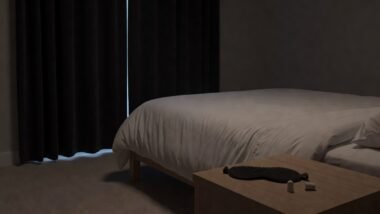
If where you sleep bombards your senses with noise, light or uncomfortable bedding, your body may find it harder to drift off, as Everyday Health notes in its ADHD sleep guidance. Adults with ADHD can be particularly sensitive to stimulation, so it is worth treating the bedroom as a sensory problem to solve: blackout curtains or an eye mask, earplugs or steady background sound if silence feels louder, bedding and sleepwear that do not irritate, and a cool, dark room. Remove anything visually stimulating, such as work documents or a glowing console, from view.
7. Watch out for evening traps: caffeine, alcohol and late meals
Caffeine can linger in the body for hours, so consider cutting it off by early afternoon, and remember that energy drinks and cola count too. Alcohol is a particular trap: it may help you drop off faster but typically fragments sleep later in the night. Our article on alcohol and sleep explains what a nightcap really does to your night. Heavy meals close to bedtime can also make falling asleep less comfortable.
8. Use daylight and movement to your advantage
Daytime habits shape night-time sleep. Getting outside into natural light early in the day helps anchor your body clock, and regular physical activity during the day is associated with better sleep for most adults. Because vigorous exercise close to bedtime can leave some people feeling alert, it may be worth scheduling demanding physical activity earlier in the day if it seems to affect your ability to wind down.
9. Make mornings less brutal
Many adults with ADHD report difficulty waking in the morning, although experiences vary from person to person. Practical aids include a dawn-simulating alarm light, placing your alarm across the room, pre-preparing breakfast or medication so the first steps are automatic, and giving yourself a genuinely pleasant reason to get up, such as a favourite coffee or a short walk. If daytime sleepiness persists despite adequate time in bed, mention it to your GP.
Should you talk to a professional about ADHD and sleep?
Yes, particularly if poor sleep is regular rather than occasional. Everyday Health highlights that telling your healthcare provider about your symptoms is one of the best first steps: a doctor or therapist can help identify underlying causes of sleep disturbance and develop an individualised plan, and may refer you to a sleep specialist if needed. The Sleep Charity likewise stresses getting help at the earliest opportunity to prevent sleep problems from escalating.
Questions to raise about medication
If you take ADHD medication, sleep difficulties can sometimes be related to it, for example if a dose runs late into the evening. Everyday Health suggests asking your provider whether a tweak to your medication might help. Do not change timing or dose yourself; raise it with your prescriber, who can weigh it against your symptom control. It is also worth mentioning any sleep aids, supplements or over-the-counter remedies you use, since these can interact with prescribed medication.
When poor sleep needs urgent attention
A few nights of bad sleep are usually nothing to worry about. But if poor sleep happens often, it can affect your mood, appetite, relationships and how you get through the day, the NHS warns. The Sleep Charity also flags safety concerns around driving or operating machinery when sleep-deprived. If sleepiness is affecting your safety, or low mood and anxiety are building, seek professional advice promptly.
Do sleep supplements help adults with ADHD?
Evidence for many over-the-counter sleep supplements is limited, and no supplement can treat any condition, including ADHD or a diagnosed sleep disorder. If you are considering a sleep supplement, treat seller claims with caution and read the label carefully. Whatever you choose, check the ingredients with a pharmacist, and speak to your GP first if you take ADHD medication, are pregnant or have any health condition, because interactions are possible.
For most people, the foundations in this guide (routine, environment, screens, daylight and professional support where needed) remain the evidence-backed starting point. You will find many more strategies in our in-depth guides on 50 evidence-based sleep hygiene strategies and the complete guide to better sleep habits.
Official guidance, such as NHS advice on sleep, focuses on habits like a consistent routine and a calm wind-down rather than supplements, and the NHS notes that small changes to bedtime routines can make a real difference; no supplement can promise improved sleep, and anyone considering one should speak to a healthcare professional first.
FAQ
Do all adults with ADHD have sleep problems?
No, but they are very common. Research suggests that sleep problems are more common among adults with ADHD than in the general population, although estimates vary between studies. That still leaves many adults with ADHD who sleep well, which is why it is worth identifying your own pattern rather than assuming.
Why do I feel more awake at bedtime with ADHD?
Several factors can contribute: a racing mind once external stimulation stops, evening hyperfocus on engaging activities, irregular routines that confuse your body clock, and in some cases the timing of ADHD medication. A fixed wake-up time, an earlier screen curfew and a written wind-down plan are practical places to start, alongside discussing medication timing with your prescriber.
Is it ADHD or just poor sleep?
The overlap is real: poor sleep can cause inattention, irritability and impulsivity that mimic ADHD traits, while ADHD can disrupt sleep. This is one for a professional rather than self-diagnosis. If you suspect undiagnosed ADHD, or your sleep problems are persistent, speak to your GP, who can assess symptoms, rule out other causes and refer you appropriately.
Can ADHD medication cause insomnia?
Some adults find their medication affects their sleep, which is why Everyday Health recommends asking your provider whether an adjustment might help. Only your prescriber should change dose or timing, as they need to balance sleep against daytime symptom control. Keep a brief note of your sleep and when you take your medication to make that conversation more productive.
How long before sleep tips start working?
Some changes, such as a fixed wake-up time or moving your phone out of the bedroom, may help over time. Deeper patterns, like shifting a very late body clock earlier, usually take longer and need consistency. The NHS advises making small changes to habits and routines and giving them time, rather than overhauling everything at once.
The takeaway: start small, keep it consistent
Better sleep with ADHD rarely comes from one dramatic fix. It comes from a handful of small, repeatable supports: a consistent wake-up time, an external evening runway, a boring-in-a-good-way bedroom, a screen curfew and a brain dump before lights out. Pick one or two changes from this guide, practise them for a fortnight, then add more. And if poor sleep keeps affecting your days, mood or safety, bring it to your GP early; help is available, and you do not have to untangle ADHD and sleep on your own. For more structured guidance, our sleep hygiene strategies guide is a natural next step.
Sources
- MedlinePlus: Attention Deficit Hyperactivity Disorder
- NHS Every Mind Matters: Fall asleep faster and sleep better
- NHS Every Mind Matters: Sleep problems
- ADDITUDE: How to Sleep Better with ADHD: A Guide for Adults
- Everyday Health: ADHD and Sleep: 11 Tips for Better Shut-Eye
- The Sleep Charity: ADHD & Sleep
This article is general information and not a substitute for professional medical advice.