
Affiliate disclosure: This article contains affiliate links. We may earn a commission if you purchase through them, at no extra cost to you.
Sleep Hygiene Tips: Complete Guide to Better Sleep Habits | Deep Sleep Aid
Sleep Hygiene Tips: 50 Evidence-Based Strategies for Perfect Sleep
Quick Answer: Sleep hygiene refers to the collection of habits, behaviors, and environmental factors that promote consistent, uninterrupted, high-quality sleep. The most impactful sleep hygiene practices include: maintaining a consistent sleep schedule (same bedtime and wake time daily), creating a cool (65-68°F), dark, quiet bedroom, eliminating screens 1-2 hours before bed, avoiding caffeine after noon, limiting alcohol, getting morning sunlight exposure, and using your bed exclusively for sleep and intimacy. Research shows that improving sleep hygiene alone can resolve mild insomnia and significantly enhance sleep quality in good sleepers. For chronic insomnia, sleep hygiene forms the essential foundation upon which treatments like CBT-I build.
Medical Disclaimer: This information is for educational purposes only and is not a substitute for professional medical advice. Always consult your healthcare provider about persistent sleep problems.
You brush your teeth twice daily, wash your hands regularly, and shower to maintain physical hygiene. But what about your sleep hygiene? Just as bodily hygiene prevents illness and promotes health, sleep hygiene encompasses the practices that prepare you for restorative rest.
The concept of sleep hygiene was developed in the late 1970s by sleep researchers who recognized that many sleep problems stemmed not from medical conditions but from everyday habits and environmental factors that interfere with natural sleep processes. Decades of research have confirmed that optimizing sleep hygiene produces measurable improvements in sleep quality, sleep duration, and daytime functioning.
This comprehensive guide covers every aspect of sleep hygiene, from your bedroom environment to your daily habits to your pre-bed rituals, giving you actionable strategies you can implement starting tonight.
The Foundation: Sleep Schedule Consistency
The single most important sleep hygiene practice is maintaining a consistent sleep-wake schedule. Your circadian rhythm, your body’s internal 24-hour clock, thrives on predictability.
1. Fixed Wake Time (Most Important)
Wake up at the same time every day, including weekends. Your wake time anchors your entire circadian rhythm. When your wake time varies, your body’s timing system can’t stabilize, leading to the “social jet lag” that makes Monday mornings miserable.
Implementation: Set a single alarm for your earliest necessary wake time and stick to it seven days a week. If you need to catch up on sleep, go to bed earlier rather than sleeping in.
2. Consistent Bedtime
Go to bed at the same time each night, but only when you actually feel sleepy, not just because the clock says so. Forcing yourself to bed before sleepiness sets in creates frustration and reinforces negative bed associations.
3. Strategic Light Exposure
Light is the strongest signal to your circadian rhythm:
Morning (within 1 hour of waking): Get 10-30 minutes of bright light, preferably outdoors. This suppresses residual melatonin and starts your circadian clock.
Midday: Bright light maintains alertness and reinforces circadian amplitude.
Evening (2-3 hours before bed): Dim household lights. Avoid bright overhead lighting.
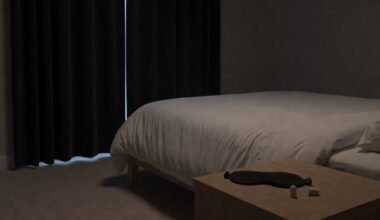
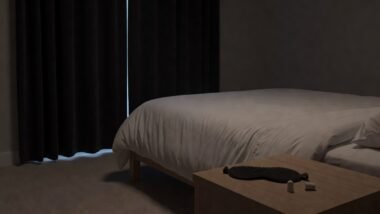
Night: Eliminate all light sources in your bedroom. Use blackout curtains.
Check price on Amazon → for blackout curtains to create a completely dark sleep environment.
Optimizing Your Sleep Environment
Your bedroom should be a sanctuary devoted entirely to sleep. Every environmental factor affects sleep quality:
4. Temperature: Keep It Cool
Your body temperature naturally drops to initiate sleep. A cool bedroom supports this process:
Optimal range: 65-68°F (18-20°C)
Use breathable bedding (cotton, linen, or bamboo)
Consider moisture-wicking sheets if you sleep hot
Use a programmable thermostat to automatically lower temperature at bedtime
A fan provides both cooling and white noise
5. Darkness: Eliminate All Light
Even small amounts of light suppress melatonin production:
Install blackout curtains or shades
Cover or remove LED indicator lights on electronics
Use electrical tape over standby lights
Wear a sleep mask if you can’t fully darken the room
Keep phones face-down or out of the room
6. Quiet: Minimize Noise Disruption
Noise causes micro-arousals that fragment sleep without fully waking you:
Use a white noise machine to mask disruptive sounds
Earplugs can help in noisy environments
Address snoring bed partners (see our snoring guide)
Consider soundproofing if you live in a high-noise area
7. Comfortable Mattress and Pillow
Your sleep surface directly affects comfort and spinal alignment:
Replace mattresses every 7-10 years (sooner if sagging or uncomfortable)
Choose a pillow appropriate for your sleep position
Side sleepers: thicker, firmer pillow for neck support
Back sleepers: medium-loft pillow
Stomach sleepers: thin pillow (or none) to avoid neck strain
Check price on Amazon → for an orthopedic cervical pillow designed for proper neck alignment.
8. Reserve Bed for Sleep and Intimacy Only
This is a cornerstone of stimulus control therapy. Using your bed for work, TV, scrolling, or worry creates an association between bed and wakefulness. Your brain should have one clear association with your bed: sleep.
9. Keep Work Out of the Bedroom
No laptops, paperwork, or work-related stress in your sleeping space. If you work from home and your bedroom is your only option, at minimum keep work materials out of sight during sleep hours and never work from bed.
10. Declutter Your Space
A cluttered bedroom creates subtle mental stimulation. Maintain a clean, organized, peaceful environment that promotes relaxation when you enter.
Pre-Bed Habits: The Wind-Down Period
The 1-2 hours before bed are critical for preparing your body and mind for sleep:
11. Digital Sunset: Eliminate Screens
This may be the hardest but most impactful habit:
Turn off all screens 1-2 hours before bed
Blue light suppresses melatonin; content activates your brain
If you must use devices: enable night mode, use blue light glasses, keep brightness minimum
Keep phones out of the bedroom entirely; use a traditional alarm clock
12. Develop a Relaxing Bedtime Routine
A consistent pre-sleep ritual signals your brain that bedtime is approaching:
Warm bath or shower (1-2 hours before bed)
Light reading (physical books, not e-readers)
Gentle stretching or yoga
Meditation or breathing exercises
Journaling or gratitude practice
Listening to calming music
Herbal tea (caffeine-free)
13. Avoid Heavy Meals Close to Bedtime
Digestion interferes with sleep onset and quality:
Finish dinner 3 hours before bed
If hungry before bed: small snack with complex carbs and tryptophan
Avoid spicy, fatty, or acidic foods in the evening
Limit fluids 2 hours before bed to reduce nighttime bathroom trips
14. Limit Alcohol
Alcohol is a major sleep disruptor disguised as a sleep aid:
Avoid alcohol within 3-4 hours of bedtime
Alcohol may help you fall asleep faster but fragments sleep architecture
Suppresses REM sleep in the second half of the night
Causes early morning awakenings as it metabolizes
Worsens snoring and sleep apnea
15. Time Your Caffeine Right
Caffeine’s half-life is 5-6 hours; quarter-life is 10-12 hours:
Set a caffeine cutoff time: noon for most people
Remember hidden sources: tea, soda, chocolate, some medications
Even if you can fall asleep after evening caffeine, sleep quality suffers
16. Exercise Regularly (But Time It Right)
Physical activity is one of the best things you can do for sleep:
Regular exercise improves sleep quality and duration
Morning exercise promotes earlier melatonin onset
Avoid vigorous exercise within 3 hours of bedtime (can be stimulating)
Gentle stretching or yoga in the evening is beneficial
17. Nap Strategically (or Not at All)
Naps can be helpful or harmful depending on how you use them:
If you must nap: keep it under 20-30 minutes
Nap before 3 PM to avoid interfering with nighttime sleep
Avoid napping if you have insomnia, as it reduces sleep drive
“Coffee naps” (coffee before a 20-minute nap) can boost alertness
Daytime Habits That Impact Sleep
Sleep hygiene isn’t just about what you do at night: daytime habits profoundly affect sleep:
18. Get Morning Sunlight
10-30 minutes of outdoor light within an hour of waking anchors your circadian rhythm more effectively than almost any other intervention. This single habit can transform your sleep.
19. Manage Stress Throughout the Day
Chronic stress elevates cortisol, which opposes sleep:
Practice regular stress management (meditation, exercise, therapy)
Use “worry time”: schedule 15 minutes to address concerns
Don’t bring work stress into your evening
Develop healthy coping mechanisms
20. Limit Caffeine Total Intake
Even morning caffeine can affect nighttime sleep quality for sensitive individuals. Try reducing your total daily intake and see if sleep improves.
21. Stay Hydrated (Earlier in the Day)
Dehydration can cause nighttime discomfort and headaches, but drinking too much late in the day causes bathroom trips. Front-load your water intake.
22. Eat Sleep-Supporting Foods
Certain foods support sleep through their nutrient content:
Tryptophan sources: Turkey, eggs, salmon, nuts, seeds
Magnesium sources: Leafy greens, legumes, whole grains
Complex carbohydrates: Whole grains, sweet potatoes, oats
Tart cherry juice: Contains natural melatonin
Kiwi: May improve sleep onset and duration
Mental and Emotional Sleep Hygiene
Your mental state is as important as your physical environment:
23. Create a “Brain Dump” Practice
Racing thoughts are a leading cause of insomnia. Spend 5-10 minutes each evening writing down:
Tomorrow’s to-do list (keep it to 3 priorities)
Any worries or concerns
Things you’re grateful for
Once written, close the notebook; they’re captured for tomorrow
24. Practice Cognitive Reframing
Your beliefs about sleep affect your ability to sleep:
Replace “I MUST get 8 hours” with “I’ll get the sleep I need”
Replace “If I don’t sleep, tomorrow will be terrible” with “I’ve functioned on less sleep before”
Don’t catastrophize occasional poor nights
Remember: the stress about not sleeping is often worse than the lost sleep itself
25. Avoid Clock-Watching
Turn your clock away from the bed. Checking the time when you can’t sleep creates performance anxiety and calculates how much sleep you’re “missing”, both of which make sleep harder.
26. Get Out of Bed If You Can’t Sleep
If you’ve been awake in bed for 20+ minutes, get up and do something relaxing in dim light. Return to bed only when you feel sleepy. This prevents the bed = frustration association.
Sleep Hygiene for Special Situations
27. Shift Workers
Create a consistent sleep-wake schedule even on days off
Use blackout curtains and earplugs for daytime sleep
Wear sunglasses on your commute home from night shifts
Use bright light during your “morning” (start of wake period)
28. Travel and Jet Lag
Shift your schedule toward destination time before traveling
Seek bright light at appropriate times to adjust your clock
Melatonin can help shift timing (take at destination bedtime)
Short naps (20-30 minutes) can combat travel fatigue
29. New Parents
Sleep when the baby sleeps (prioritize rest over productivity)
Share nighttime duties with your partner when possible
Accept that perfect sleep hygiene may be impossible; do what you can
Consider a split-night schedule with your partner
30. Older Adults
Expect slightly less sleep and earlier timing (normal with age)
Increase daytime light exposure (aging eyes need more)
Monitor medication effects on sleep
Stay physically active
Technology and Sleep Hygiene
Used correctly, technology can support rather than hinder sleep:
31. Use Sleep Tracking Wisely
Sleep trackers provide useful insights but can become obsessions. Use data to identify patterns, not to stress about exact numbers. No consumer tracker is perfectly accurate.
32. Try Sleep-Supporting Apps
Apps for guided meditation, white noise, and sleep stories can be helpful, but use audio-only to avoid blue light exposure.
33. Smart Home Integration
Programmable thermostats, automated blinds, and smart lighting can create an optimal sleep environment without manual adjustment.
Sleep Hygiene Checklist
Your Daily Sleep Hygiene Checklist:
☐ Woke up at the same time (within 30 minutes) as yesterday
☐ Got morning sunlight exposure within 1 hour of waking
☐ Exercised (or planned evening gentle movement)
☐ Limited caffeine to morning hours (none after noon)
☐ No alcohol within 3-4 hours of bedtime
☐ No heavy meals within 3 hours of bed
☐ Screens off 1-2 hours before bedtime
☐ Dimmed household lights in the evening
☐ Completed a relaxing wind-down routine
☐ Bedroom is cool (65-68°F), dark, and quiet
☐ In bed only when sleepy
☐ Used bed exclusively for sleep (no phone, no TV, no work)
☐ Woke without hitting snooze (or limited to one)
When Sleep Hygiene Isn’t Enough
While sleep hygiene improvements help most people, they may not resolve:
Chronic insomnia disorder: Requires CBT-I treatment
Obstructive sleep apnea: Requires CPAP or other medical treatment
Restless leg syndrome: Requires iron testing and possibly medication
Circadian rhythm disorders: May require chronotherapy or light treatment
Underlying medical/psychiatric conditions: Requires targeted treatment
If you’ve optimized your sleep hygiene for 3-4 weeks without meaningful improvement, consult a sleep specialist.
For natural sleep restoration support, click here to learn more about Sleep Revive, a complete sleep improvement system → (https://sleeprevive.org/main?hopId=fb91ed33-18be-49bf-b601-0eec1dd9edf3)
When to See a Doctor: Consult a healthcare provider if poor sleep persists despite 3-4 weeks of good sleep hygiene, if you snore loudly with witnessed breathing pauses, if you experience severe daytime sleepiness, or if insomnia significantly impairs your functioning. Some sleep disorders require medical diagnosis and treatment beyond hygiene improvements.
If you want a structured option to go further, you can see the official YU SLEEP website and decide whether it suits you.
Frequently Asked Questions
Q: What are the 5 principles of sleep hygiene?
A: The core principles are: (1) Consistency, same sleep/wake times daily, (2) Environment, cool, dark, quiet bedroom, (3) Stimulus control, bed used only for sleep, (4) Substance management, limiting caffeine, alcohol, and nicotine, and (5) Routine, a consistent wind-down ritual before bed.
Q: How long does it take to fix sleep hygiene?
A: Most people notice improvements within 1-2 weeks of consistent practice, with maximum benefits appearing after 3-4 weeks. The key is consistency: occasional good hygiene doesn’t create the conditioned responses that lead to lasting improvement.
Q: Can you have poor sleep hygiene without knowing it?
A: Absolutely. Many common habits seem harmless but disrupt sleep: evening scrolling on phones, inconsistent weekend sleep schedules, “catching up” on sleep, working in bed, and consuming hidden caffeine in chocolate or medications. A thorough sleep hygiene review often reveals several suboptimal habits.
Q: Does sleep hygiene work for chronic insomnia?
A: Sleep hygiene alone is typically insufficient for chronic insomnia disorder, which requires Cognitive Behavioral Therapy for Insomnia (CBT-I). However, sleep hygiene is the essential foundation: CBT-I won’t work effectively if you’re drinking espresso at 8 PM and sleeping in a bright, noisy room.
Q: Is hitting snooze bad for sleep hygiene?
A: Yes, hitting snooze fragments your final minutes of sleep (which are often REM sleep) and starts your day with grogginess from repeated partial awakenings. Place your alarm across the room so you must get up to turn it off, then start your day immediately.
Q: How does screen time affect sleep hygiene?
A: Screens affect sleep through multiple pathways: (1) blue light suppresses melatonin production, (2) mentally stimulating content activates your brain, (3) emotional engagement (social media, news, games) increases arousal, and (4) the infinite scroll design makes it hard to stop. Eliminating screens 1-2 hours before bed is one of the highest-impact hygiene changes.
Q: What is the ideal bedroom temperature for sleep?
A: The optimal bedroom temperature is 65-68°F (18-20°C). Your core body temperature needs to drop 2-3 degrees to initiate sleep, and a cool room facilitates this process. Individual preferences vary slightly, but most people sleep poorly in rooms above 72°F.
Q: Can you catch up on sleep on weekends?
A: You can partially recover from acute sleep debt with extra weekend sleep, but you cannot fully “bank” sleep or completely reverse the effects of chronic deprivation. More importantly, inconsistent weekend sleep times cause social jet lag that makes Monday mornings difficult and disrupts your circadian rhythm.
Q: How do I know if my sleep hygiene is good?
A: Good sleep hygiene indicators include: falling asleep within 15-20 minutes of lying down, sleeping through the night with minimal awakenings, waking naturally without an alarm (or easily with one), feeling refreshed upon waking, and maintaining consistent energy throughout the day.
Q: Should I use sleep supplements as part of sleep hygiene?
A> Sleep supplements like melatonin and magnesium can complement good sleep hygiene but should not replace it. Think of supplements as optional enhancements to an already solid foundation. Address your schedule, environment, and habits first, then consider supplements if needed.
As an Amazon Associate and ClickBank affiliate, I earn from qualifying purchases. Prices and availability accurate as of May 2026.
Medical Disclaimer: This information is for educational purposes only and is not a substitute for professional medical advice, diagnosis, or treatment. Always seek the advice of your physician or other qualified health provider with any questions you may have regarding a medical condition.