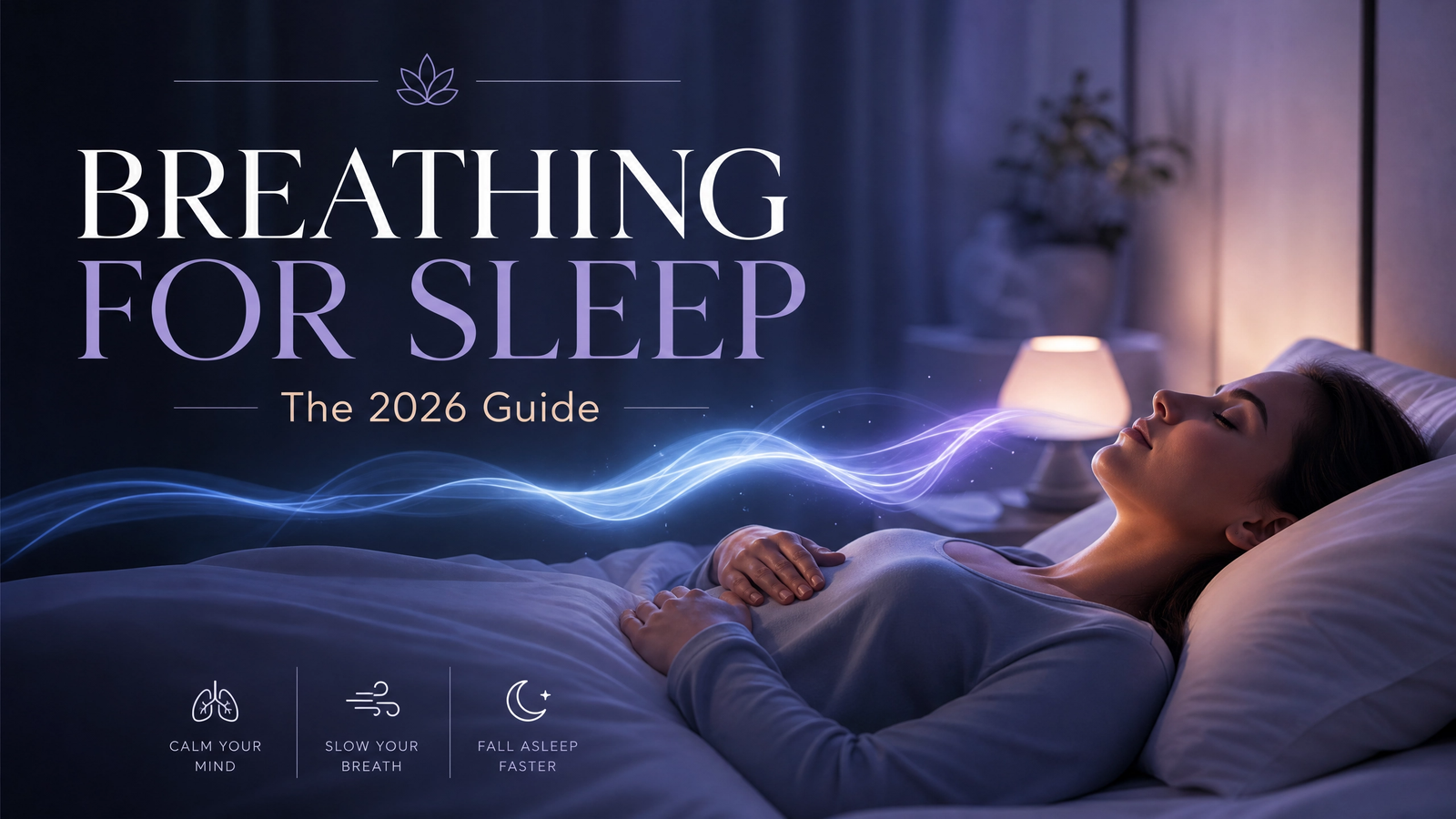

Breathing Exercises for Sleep: The Complete 2026 Guide to Falling Asleep Faster
Evidence-based breathing techniques that may help calm your nervous system, reduce anxiety, and prepare your body for restorative rest
📖 A note from us → We spent weeks digging through the research on breathing exercises for sleep so you don’t have to. Here is what actually works: 4-7-8 breathing, diaphragmatic breathing, box breathing, and when to see a doctor instead.
⚕️ Disclaimer: We are affiliate marketers, not doctors. Breathing exercises are generally safe, but consult a healthcare provider if you have respiratory or cardiovascular conditions.
📝 Editorial & Review Policy
This article was prepared by the DeepSleepAid editorial team based on publicly available research. No individual medical professional has reviewed this specific article. All information is drawn from:
- Peer-reviewed studies accessible via PubMed (citations provided below)
- Publicly available clinical guidelines from the American Academy of Sleep Medicine and NIH
- Educational materials from the Cleveland Clinic, Johns Hopkins Medicine, and Medical News Today
We have not personally reviewed original research data. This guide synthesizes publicly available information for educational purposes.
Always consult a licensed healthcare provider before starting any new health practice, especially if you have respiratory or cardiovascular conditions.
Why Breathing Affects Sleep Quality
Most people take approximately 20,000 breaths per day without conscious thought. Yet the way you breathe — the speed, depth, and pathway — may profoundly influence your ability to fall asleep and remain asleep through the night. Research suggests that dysfunctional breathing patterns are both a cause and a consequence of sleep disturbances, creating a feedback loop that can be difficult to break without intentional intervention.
When you are stressed or anxious, your breathing typically becomes faster, shallower, and more chest-dominant. This pattern activates the sympathetic nervous system, the branch responsible for the “fight-or-flight” response. Elevated heart rate, increased muscle tension, and heightened cortisol levels follow — none of which are conducive to sleep onset. Conversely, slow, deep, diaphragmatic breathing may activate the parasympathetic nervous system, sometimes called the “rest-and-digest” branch, which promotes physiological states associated with relaxation and sleep preparation.
The connection between breathing and sleep extends beyond the nervous system. Breathing patterns may affect:
- Core body temperature: Slow breathing may facilitate the drop in core temperature that research indicates is necessary for sleep onset
- Carbon dioxide levels: Over-breathing (hyperventilation) may lower CO₂, which can cause blood vessel constriction and reduced oxygen delivery to tissues, potentially contributing to restless sleep
- Upper airway stability: Nasal breathing may help maintain airway patency and reduce snoring, while mouth breathing may increase airway collapsibility
- Mental rumination: The rhythmic focus required by structured breathing exercises may interrupt racing thoughts, a common barrier to sleep onset
A 2022 study published in Physiological Reports examined the effects of sleep deprivation combined with 4-7-8 breathing control on heart rate variability, blood pressure, and blood glucose in healthy young adults. The researchers found that the breathing technique may help mitigate some of the autonomic dysregulation associated with sleep loss, suggesting a potential protective role for structured breathing practices.
The Science of Breath and the Nervous System
To understand why breathing exercises may help with sleep, it is helpful to examine the underlying physiology. The autonomic nervous system, which controls involuntary bodily functions, consists of two branches that operate in a dynamic balance.
The Sympathetic Nervous System
The sympathetic branch prepares the body for action. When activated, it increases heart rate, dilates pupils, redirects blood flow to muscles, and releases stress hormones such as adrenaline and cortisol. This response is essential for survival in genuinely threatening situations, but chronic activation — often driven by modern stressors such as work pressure, financial anxiety, and digital overstimulation — may keep the body in a state of persistent arousal that resists sleep onset.
Fast, shallow, upper-chest breathing is both a symptom and a reinforcer of sympathetic dominance. Each rapid breath signals to the brain that the environment is unsafe, perpetuating the stress response even when no actual threat exists.
The Parasympathetic Nervous System
The parasympathetic branch counterbalances the sympathetic system. It slows heart rate, promotes digestion, relaxes muscles, and supports restorative processes. The primary nerve of the parasympathetic system, the vagus nerve, may be influenced by slow, deep breathing. Research published in Evidence-Based Complementary and Alternative Medicine (2021) suggests that breathing-based relaxation techniques may increase heart rate variability, a marker of healthy autonomic balance and vagal tone.
When you breathe slowly and deeply, stretch receptors in the lungs send signals to the brainstem that inhibit sympathetic activity and enhance parasympathetic output. This shift may be measurable within minutes, which is why even brief breathing exercises can produce noticeable calming effects.
The Role of the Diaphragm
The diaphragm is a dome-shaped muscle that separates the chest cavity from the abdomen. During diaphragmatic breathing, the diaphragm contracts and moves downward, expanding the lungs and drawing air into the lower lobes. This type of breathing is more efficient than chest breathing, which relies on accessory muscles in the neck and shoulders and tends to be shallower and more rapid.
Diaphragmatic breathing may also stimulate the vagus nerve more effectively than chest breathing, as the diaphragm and vagus nerve share anatomical proximity. Additionally, the gentle massaging motion of the diaphragm on abdominal organs may promote digestive relaxation, which may be beneficial for sleep preparation.
Carbon Dioxide and the Bohr Effect
A less commonly discussed aspect of breathing physiology involves carbon dioxide (CO₂). While CO₂ is often viewed merely as a waste product, it plays a critical role in oxygen delivery through the Bohr effect. This physiological principle states that hemoglobin releases oxygen more readily in tissues with higher CO₂ concentrations. When you over-breathe and exhale too much CO₂, blood pH shifts toward alkalinity, and oxygen binds more tightly to hemoglobin, potentially reducing oxygen delivery to tissues including the brain.
This phenomenon may explain why some individuals feel lightheaded or anxious during rapid breathing — and why techniques that slow breathing and normalize CO₂ levels, such as the Buteyko method, may promote calmness. However, the clinical significance of this effect in sleep improvement remains an area of ongoing research.
🧮 Interactive Tool: Breathing Pace Optimizer
Different breathing techniques use different rhythms, and the optimal pace may vary by individual. This calculator helps you identify a breathing pattern that may work for your physiology and comfort level. Research suggests that a respiratory rate of approximately 6 breaths per minute (0.1 Hz) may be particularly effective for activating the parasympathetic nervous system.
7 Breathing Techniques That May Help You Sleep
The following techniques are drawn from diverse traditions — modern clinical practice, yoga pranayama, and integrative medicine. Each has a distinct mechanism and may suit different individuals. Try several to determine which resonates with your body and preferences.
1. 4-7-8 Breathing (Relaxing Breath)
Developed by Dr. Andrew Weil and rooted in ancient pranayama practices, 4-7-8 breathing is perhaps the most widely recommended technique for sleep onset. The extended exhale relative to the inhale may promote parasympathetic activation, while the breath-hold may enhance CO₂ retention and oxygen delivery.
A 2022 study in Physiological Reports found that sleep-deprived individuals practicing 4-7-8 breathing showed improved heart rate variability compared to controls, suggesting autonomic rebalancing.
2. Diaphragmatic Breathing (Belly Breathing)
Diaphragmatic breathing engages the primary breathing muscle rather than accessory muscles in the chest and neck. This may reduce muscle tension, improve oxygen exchange efficiency, and promote the mechanical stimulation of the vagus nerve. Research published in the International Journal of Yoga (2018) suggests that modified slow breathing exercises may reduce perceived stress and improve basal cardiovascular parameters.
3. Bhramari Pranayama (Humming Bee Breath)
This yogic technique involves producing a humming sound during exhalation, which may stimulate the vagus nerve through vibration in the throat and sinuses. The sound itself may serve as a focal point for attention, interrupting mental rumination. A systematic review in the Journal of Traditional and Complementary Medicine (2018) examined the effects of Bhramari pranayama on health outcomes and found evidence suggesting benefits for stress reduction and cardiovascular parameters.
4. Box Breathing (Square Breathing)
Box breathing, also known as square breathing or four-square breathing, is used by athletes, military personnel, and performers to manage acute stress. The equal-duration phases of inhale, hold, exhale, and hold create a rhythmic pattern that may help regulate the autonomic nervous system. While originally developed for performance under pressure, its structured nature may also support pre-sleep relaxation.
5. Alternate Nostril Breathing (Nadi Shodhana Pranayama)
This traditional yogic technique involves alternating breath between the left and right nostrils. Proponents suggest it may balance the left and right hemispheres of the brain and regulate the flow of “prana” (life energy). From a physiological perspective, the focused attention required may reduce mental chatter, and the slow pace may activate the parasympathetic system. Research suggests that slow breathing exercises may improve perceived stress and autonomic balance.
6. Buteyko Breathing (Light, Slow, Deep)
The Buteyko Method, developed by Ukrainian physician Dr. Konstantin Buteyko in the 1950s, is based on the premise that chronic over-breathing (hyperventilation) contributes to numerous health conditions, including sleep-disordered breathing. The method emphasizes nasal breathing, reduced breathing volume, and increased CO₂ tolerance. A systematic review published in the European Respiratory Journal (2015) examined breathing retraining for asthma and found evidence suggesting benefits, though the quality of available studies was variable.
For sleep specifically, the Buteyko approach focuses on:
- Nasal breathing: Keeping the mouth closed during sleep using gentle tape or chin straps if necessary
- Light breathing: Reducing the volume of each breath to avoid over-breathing
- Slow breathing: Decreasing respiratory rate to approximately 6-10 breaths per minute
- Deep breathing: Engaging the diaphragm rather than the chest
7. Three-Part Breathing (Dirga Pranayama)
This yogic technique divides the breath into three sequential phases: filling the lower belly, then the rib cage, then the upper chest. The complete, conscious filling of the lungs may increase oxygenation while the extended exhale promotes relaxation. The three-part structure provides a clear focal point for attention, which may help interrupt racing thoughts.
🎯 Interactive Tool: Find Your Ideal Breathing Technique
Not every breathing technique works for every person. Your personality, physical comfort, and specific sleep challenges may influence which method feels most natural and effective. This quiz may help match you with a technique suited to your needs.
1. What is your biggest barrier to falling asleep?
Technique Comparison Table
| Technique | Origin | Key Mechanism | Best For | Time Needed | Evidence Level |
|---|---|---|---|---|---|
| 4-7-8 Breathing | Modern (Weil) / Pranayama roots | Extended exhale activates parasympathetic system | Racing thoughts, anxiety | 2-5 min | Moderate (anecdotal + some research) |
| Diaphragmatic Breathing | Clinical / physiotherapy | Diaphragm engagement, vagus nerve stimulation | Physical tension, shallow breathers | 5-10 min | Moderate-Strong |
| Bhramari Pranayama | Yoga tradition | Vibration, sound focus, vagus nerve | Mental rumination, stress | 3-5 min | Moderate |
| Box Breathing | Military / performance training | Structured rhythm, equal phases | Acute stress, pre-sleep routine | 5-10 min | Limited sleep-specific research |
| Alternate Nostril Breathing | Yoga tradition | Bilateral balance, focused attention | General relaxation, mindfulness | 5-10 min | Moderate |
| Buteyko Method | Medical (Buteyko, 1950s) | CO₂ normalization, nasal breathing | Over-breathers, mouth breathers, sleep apnea adjunct | 10-20 min | Moderate for asthma; limited for sleep |
| Three-Part Breathing | Yoga tradition | Complete lung expansion, extended exhale | General relaxation, breath awareness | 5-10 min | Limited direct research |
Breathing Exercises and Sleep Apnea
A critical distinction must be made: breathing exercises are not a treatment for obstructive sleep apnea (OSA). OSA is a mechanical disorder caused by physical collapse of the upper airway during sleep. No breathing technique can prevent airway collapse once the individual has fallen asleep and muscle tone has decreased.
However, breathing exercises may play a supportive role in OSA management when used alongside prescribed medical therapy such as CPAP, oral appliances, or positional therapy. The potential benefits include:
- Nasal breathing retraining: Chronic mouth breathing may dry airway tissues, increase inflammation, and promote tongue collapse. Nasal breathing exercises may help establish daytime nasal breathing habits that may carry over into sleep
- Diaphragmatic strengthening: A stronger, more active diaphragm may provide better airway support during sleep
- Stress reduction: OSA is associated with elevated sympathetic tone. Relaxation breathing may help reduce daytime sympathetic activation
- CPAP adaptation: Breathing exercises may help individuals acclimate to the sensation of pressurized air by improving general breath awareness and control
A systematic review in the European Respiratory Journal (2015) examined breathing retraining for asthma and found some evidence of benefit, though the authors noted that study quality was variable. The application of breathing exercises to OSA specifically remains an area of ongoing investigation, and no breathing exercise should replace or delay prescribed OSA treatment.
Building a Bedtime Breathing Routine
Consistency transforms breathing exercises from occasional relaxation into a reliable sleep cue. The goal is to create a conditioned association between your chosen breathing practice and sleep onset, similar to how a bedtime story signals sleep to a child.
The 30-Minute Wind-Down Protocol
Research on habit formation suggests that attaching a new behavior to an existing routine increases adherence. Consider integrating breathing exercises into the following pre-sleep sequence:
- 30 minutes before bed: Dim lights, discontinue screen use, and begin your wind-down. Perform 5 minutes of gentle stretching or progressive muscle relaxation.
- 20 minutes before bed: Begin your primary breathing exercise. If you are new to practice, start with 4-7-8 breathing or diaphragmatic breathing for 3-5 minutes.
- 15 minutes before bed: Transition to bed. Continue gentle breathing while lying down. If your mind wanders, gently return attention to your breath without self-criticism.
- At bedtime: If you are not asleep after 20 minutes, do not remain in bed awake. Get up, perform a brief breathing exercise in dim light, and return to bed when sleepy. This prevents the bed from becoming associated with wakefulness.
Progressive Practice Schedule
Like physical exercise, breathing practice benefits from gradual progression:
| Week | Frequency | Duration | Focus |
|---|---|---|---|
| 1-2 | Once daily, before bed | 2-3 minutes | Learning the mechanics of one technique |
| 3-4 | Twice daily (morning + evening) | 5 minutes | Deepening the practice, exploring a second technique |
| 5-8 | Twice daily | 10 minutes | Refining technique, adding breath retention if appropriate |
| 9+ | As needed, integrated into lifestyle | 5-15 minutes | Personalized routine, technique selection based on daily needs |
Common Obstacles and Solutions
- “I get lightheaded”: Reduce the depth or speed of your breaths. Ensure you are not hyperventilating. Practice sitting or lying down.
- “My mind keeps wandering”: This is normal. The practice is not to eliminate thoughts but to return attention to the breath each time you notice distraction. Each return is a rep that strengthens your attention muscle.
- “I fall asleep during the exercise”: This is a positive outcome. If it happens consistently, you may transition the exercise to your bed rather than a chair.
- “I do not feel any different”: Benefits may be subtle and cumulative. Track your sleep latency (time to fall asleep) and sleep quality subjectively for 2-4 weeks before judging effectiveness.
- “I forget to practice”: Set a phone reminder, link practice to an existing habit (after brushing teeth), or use a habit-tracking app.
Breathing Apps and Guided Resources
While breathing exercises require no technology, some individuals find guided audio helpful, particularly when learning. Several categories of resources exist:
Standalone Breathing Apps
Apps such as Breathwrk, Breathing App (by Dr. Weil), and State (by HeartMath) provide visual pacing cues, progress tracking, and technique libraries. These may be useful for beginners who struggle with self-directed counting.
Meditation Apps with Breath Focus
Headspace, Calm, and Insight Timer offer guided breathing meditations ranging from 2-minute quick sessions to 30-minute deep practices. The guided format may help maintain focus for individuals who find silent practice challenging.
Smart Device Integration
Some smartwatches and fitness trackers now include breathing exercise features with haptic feedback. The Apple Watch “Breathe” app and similar features on Garmin and Fitbit devices provide gentle taps to guide inhalation and exhalation timing.
White Noise and Binaural Beats
Some individuals combine breathing exercises with auditory backgrounds. Binaural beats at frequencies associated with relaxation (alpha and theta waves) may enhance the calming effect, though research on their efficacy remains mixed. A 2017 review in the Journal of Physiological Anthropology found limited but promising evidence for binaural beats in anxiety reduction.
Safety Considerations and When to Seek Help
Breathing exercises are generally safe for healthy individuals, but certain conditions warrant caution or medical consultation.
Conditions Requiring Caution
- Respiratory conditions: Individuals with asthma, COPD, or restrictive lung disease should consult a pulmonologist before practicing breath-holding or reduced-volume techniques. The Buteyko method, in particular, may not be appropriate for all respiratory conditions.
- Cardiovascular disease: Breath-holding can transiently increase blood pressure and heart rate. Individuals with uncontrolled hypertension, arrhythmias, or heart failure should avoid prolonged breath retention.
- Pregnancy: Breath-holding and techniques that create significant air hunger may reduce oxygen delivery to the fetus. Pregnant individuals should stick to gentle diaphragmatic breathing without prolonged retention.
- Glaucoma: Increased intraocular pressure during breath-holding may be problematic for individuals with glaucoma.
- Anxiety disorders: While breathing exercises may help anxiety, focusing intensely on breath can paradoxically increase anxiety in some individuals (“breathing anxiety”). If this occurs, shift to a less structured technique or discontinue.
When Breathing Exercises Are Not Enough
Breathing exercises are a valuable tool, but they are not a panacea. Seek professional evaluation if you experience:
- Persistent insomnia lasting more than 3 months despite breathing practice
- Loud, habitual snoring with witnessed breathing pauses
- Excessive daytime sleepiness that affects driving or work safety
- Morning headaches, dry mouth, or sore throat upon waking
- Mood changes, depression, or cognitive decline associated with poor sleep
- Restless legs, periodic limb movements, or other sleep-related movement disorders
These symptoms may indicate underlying sleep disorders such as obstructive sleep apnea, restless leg syndrome, or circadian rhythm disorders that require medical diagnosis and treatment beyond breathing exercises.
⚕️ Medical Disclaimer: This information is for educational purposes only and is not medical advice. The supplements mentioned have not been evaluated by the FDA. These products are not intended to diagnose, treat, cure, or prevent any disease. Individual results vary. This page contains affiliate links. Consult your doctor before starting any breathing practice, especially if you have respiratory or cardiovascular conditions. Breathing exercises do not treat sleep apnea or other medical sleep disorders.
🔗 Affiliate Disclosure: We earn a commission if you purchase through this link, at no extra cost to you.
For individuals who have established a breathing practice but seek additional support for sleep onset and quality, Sleep Restore Pro may be worth considering. According to the manufacturer, this formula contains ingredients that may complement a relaxation-focused bedtime routine.
Important: This product is NOT a treatment for sleep disorders. It is intended as a sleep quality adjunct for individuals with generally healthy sleep patterns who want additional support. The manufacturer offers a 60-day satisfaction guarantee. Each bottle provides a 30-day supply.
Claims about this specific product are based on manufacturer-provided information. Individual results vary. This product does not treat, cure, or prevent any sleep disorder.
Check Current Pricing & Availability →This is an affiliate link. We only recommend products we have independently evaluated. Your purchase supports our research at no additional cost to you.
Combining Breathing with Other Sleep Hygiene Practices
Breathing exercises work best as part of a comprehensive sleep hygiene approach. Consider pairing your practice with:
- Consistent sleep and wake times, even on weekends
- A cool, dark, quiet bedroom environment (60-67°F / 15-19°C)
- Caffeine curfew (no caffeine after 12-2 PM for sensitive individuals)
- Screen limitation 1-2 hours before bed, or blue-light filtering if screens are necessary
- Regular physical activity, completed at least 3 hours before bedtime
- Evening meal timing (avoid heavy meals within 3 hours of sleep)
🔗 Affiliate Disclosure: We earn a commission if you purchase through this link, at no extra cost to you.
For individuals experiencing persistent difficulty maintaining sleep after falling asleep, or those who wake feeling unrefreshed despite breathing practice, Dream Deep Complex offers a more potent formulation, according to the manufacturer. This may be relevant for those whose sleep maintenance issues persist even after establishing a breathing routine.
Critical note: This product contains melatonin and should NOT be used as a substitute for medical evaluation if you suspect a sleep disorder. It is intended only for general sleep quality support. The manufacturer states this combination may support sleep architecture for individuals with irregular schedules or age-related sleep changes.
Contraindications: Not suitable for individuals under 18, pregnant or breastfeeding women, or those taking immunosuppressive medications. Always consult your healthcare provider before adding any supplement to your regimen.
Claims about this specific product are based on manufacturer-provided information. Individual results vary. This product does not treat, cure, or prevent any sleep disorder.
View Dream Deep Complex Details →This is an affiliate link. We independently evaluate all recommended products. Consult a healthcare professional before use.
About This Guide
This guide was prepared by the DeepSleepAid editorial team based on publicly available research. The information presented draws from:
- Peer-reviewed studies accessible via PubMed (citations provided throughout)
- Publicly available clinical guidelines from the American Academy of Sleep Medicine and the National Institutes of Health
- Educational materials from the Cleveland Clinic, Johns Hopkins Medicine, and Medical News Today
- Manufacturer-provided information for any recommended supplemental products
We have not personally reviewed original research data. This guide synthesizes publicly available information for educational purposes.
We do not accept payment for positive reviews. All information reflects the current state of publicly available knowledge as of June 2026. This guide is updated periodically to reflect new research findings.
Always consult a licensed healthcare provider for personalized medical advice, diagnosis, and treatment.
Frequently Asked Questions
Individual response times vary significantly. Some people report falling asleep faster within the first few nights of practice, while others may need 2-4 weeks of consistent practice before noticing measurable improvements. The key factor is consistency — practicing daily for at least 5-10 minutes is more effective than occasional longer sessions. Research suggests that autonomic changes measurable through heart rate variability may occur within minutes of slow breathing, but the conditioned sleep association may take weeks to establish. Keep a sleep diary tracking your sleep latency and quality to objectively assess whether the technique is working for you.
Breathing exercises may help with sleep onset and relaxation, but they do not “cure” insomnia, particularly chronic insomnia lasting more than three months. Chronic insomnia often involves complex psychological, behavioral, and physiological factors that may require comprehensive treatment such as cognitive behavioral therapy for insomnia (CBT-I), which research suggests is the most effective long-term treatment. Breathing exercises may serve as a useful component of CBT-I or as a standalone tool for mild, situational sleep difficulties. If insomnia persists despite consistent breathing practice, consult a sleep specialist for evaluation.
Nasal breathing is generally preferred for sleep preparation and most breathing exercises. The nose filters, warms, and humidifies air, and nasal breathing produces nitric oxide, a molecule that may help dilate blood vessels and improve oxygen delivery. Mouth breathing, by contrast, may dry airway tissues, increase snoring, and reduce airway stability. However, if you have significant nasal congestion or structural obstruction, forcing nasal breathing may create discomfort and anxiety. In such cases, use saline rinses, nasal strips, or consult an ENT specialist to address the underlying obstruction. Some techniques, such as 4-7-8 breathing, specify mouth exhalation — follow the specific instructions for each technique.
Yes, but with modifications and medical guidance. Gentle diaphragmatic breathing may actually benefit individuals with asthma by reducing hyperventilation and improving breath control. However, techniques involving breath-holding (4-7-8, box breathing, Buteyko) may trigger bronchospasm in some individuals with asthma. COPD patients often have hyperinflated lungs and may find deep breathing uncomfortable. If you have a respiratory condition, consult your pulmonologist or respiratory therapist before starting any new breathing practice. They may recommend modified techniques or pulmonary rehabilitation programs that include safe, supervised breathing exercises.
The optimal timing depends on your goal. For sleep onset, practice within 30 minutes of your intended bedtime, ideally as part of a wind-down routine. For general stress management, morning practice may help set a calmer tone for the day. For acute anxiety episodes, practice whenever symptoms arise. Some individuals benefit from a brief 2-minute breathing reset during the day to prevent stress accumulation. The most important factor is consistency — a daily practice at the same time creates a stronger conditioned response than sporadic sessions. If you are using breathing exercises specifically for sleep, anchor the practice to your bedtime routine (after brushing teeth, before getting into bed).
Breathing exercises are NOT a treatment for obstructive sleep apnea (OSA). OSA is caused by physical collapse of the upper airway during sleep, and no conscious breathing technique can prevent this mechanical obstruction once you have fallen asleep. However, breathing exercises may play a supportive role alongside prescribed medical therapy such as CPAP, oral appliances, or positional therapy. Nasal breathing retraining, diaphragmatic strengthening, and stress reduction may complement standard treatment. If you suspect you have sleep apnea — characterized by loud snoring, witnessed breathing pauses, and excessive daytime sleepiness — seek medical evaluation promptly. Do not attempt to self-treat with breathing exercises alone.
Dizziness during breathing exercises typically indicates one of three issues: hyperventilation (breathing too fast and exhaling too much CO₂), breath-holding beyond your comfortable capacity, or transitioning from shallow chest breathing to deeper diaphragmatic breathing too quickly. If you feel dizzy, stop the exercise and resume normal breathing. When you restart, reduce the depth and speed of your breaths. Ensure you are practicing in a seated or lying position, not standing. If dizziness persists despite modifications, discontinue the technique and consult a healthcare provider. Some individuals are more sensitive to CO₂ changes and may need gentler, slower-paced techniques.
Yes, children can benefit from simple breathing techniques, particularly for anxiety management and bedtime relaxation. However, techniques should be age-appropriate and fun. For young children (ages 3-7), “balloon breathing” (imagining inflating a balloon in the belly) or “smelling flowers and blowing out candles” are effective introductions. For older children (ages 8-12), basic diaphragmatic breathing and simple counting techniques may be appropriate. Avoid breath-holding techniques for children under 12, as their respiratory control mechanisms are still developing. If a child has asthma, sleep apnea, or other respiratory conditions, consult a pediatrician before introducing breathing exercises. Never force a child to practice — make it a calming, optional part of the bedtime routine.
No specific posture is required, though certain positions may facilitate better breathing mechanics. For diaphragmatic breathing, lying on your back with knees bent or sitting upright with a straight spine allows the diaphragm to move freely. For sleep-focused practice, lying in bed in your normal sleep position is perfectly acceptable — the goal is to transition smoothly from exercise to sleep. Some yoga traditions emphasize specific seated postures (sukhasana, vajrasana), but these are not necessary for the techniques described in this guide. The most important posture factor is comfort and relaxation. If you are tense or uncomfortable, the stress response may counteract the calming effects of the breathing practice.
Breathing exercises should not replace prescribed sleep medication without medical supervision. If you are currently taking sleep medication and wish to reduce or discontinue it, discuss a tapering plan with your prescribing physician. Abrupt discontinuation of some sleep medications, particularly benzodiazepines and Z-drugs, may cause withdrawal symptoms and rebound insomnia. Breathing exercises may be introduced as a complementary practice while working with your healthcare provider on a gradual medication reduction plan. For individuals with mild, situational sleep difficulties who are not on medication, breathing exercises may serve as a first-line non-pharmacological approach. However, persistent insomnia should be evaluated by a sleep specialist.
The 4-7-8 breathing technique, developed by Dr. Andrew Weil, involves inhaling for 4 counts, holding for 7 counts, and exhaling for 8 counts. The extended exhale relative to the inhale may promote parasympathetic activation, while the breath-hold may enhance CO₂ retention. While clinical evidence specifically for 4-7-8 breathing and sleep is limited, the underlying physiological principles are sound: slow breathing with extended exhalation is associated with reduced heart rate and blood pressure. A 2022 study found that sleep-deprived individuals practicing 4-7-8 breathing showed improved heart rate variability. Anecdotal reports from users are substantial. The technique is safe for most individuals and worth trying, though it should not be viewed as a guaranteed cure for sleep disorders.
The vagus nerve is the primary parasympathetic nerve, running from the brainstem through the neck and into the chest and abdomen. Slow, deep breathing may stimulate the vagus nerve through several mechanisms: (1) stretch receptors in the lungs send signals to the brainstem that inhibit sympathetic activity; (2) the diaphragm’s movement may mechanically stimulate the vagus nerve where it passes through the diaphragm; (3) changes in heart rate during the respiratory cycle (respiratory sinus arrhythmia) reflect vagal tone. Research suggests that breathing-based relaxation techniques may increase heart rate variability, a marker of healthy vagal tone. Higher vagal tone is associated with better emotional regulation, lower inflammation, and improved stress resilience.
Yes, you may combine techniques, but beginners should start with one method to avoid confusion and ensure proper form. A common progression is to begin with 2-3 minutes of diaphragmatic breathing to settle the body, then transition to 4-7-8 breathing or box breathing for structured relaxation, and finish with a few minutes of natural, unforced breathing as you prepare for sleep. Some practitioners combine breathing with body scanning or progressive muscle relaxation for a comprehensive wind-down. However, avoid overcomplicating your practice — the simplicity of a single, well-executed technique often outperforms a complex routine performed poorly. Master one technique before adding others.
For healthy individuals, breathing exercises are generally very safe. However, certain techniques carry risks for specific populations: (1) breath-holding techniques may increase blood pressure and should be avoided by individuals with uncontrolled hypertension or cardiovascular disease; (2) hyperventilation-style techniques may trigger symptoms in individuals with anxiety disorders; (3) reduced-volume breathing (Buteyko) may be uncomfortable for individuals with COPD or restrictive lung disease; (4) forceful breathing may cause dizziness or fainting in susceptible individuals. If you have any medical condition, consult your healthcare provider before starting a new breathing practice. Stop immediately if you experience chest pain, severe shortness of breath, or loss of consciousness.
Both approaches are valid. Beginners may benefit from guided apps that provide visual pacing cues and prevent the mind from wandering. Apps like Breathwrk, the Breathing App by Dr. Weil, or the breathing features in Headspace and Calm can help establish proper timing and rhythm. Once you have learned the mechanics and can maintain the rhythm independently, self-directed practice may feel more natural and can be done anywhere without a device. Some individuals prefer guided audio for the entire practice, while others use apps only occasionally to “recalibrate” their timing. The best approach is the one you will actually use consistently. Try both and see which feels more sustainable for your lifestyle.
Yes, the same mechanisms that promote sleep onset — parasympathetic activation, reduced heart rate, and interrupted rumination — may also reduce acute anxiety symptoms. Many individuals find that a brief 2-5 minute breathing exercise during stressful moments (before a presentation, during a panic episode, or in traffic) provides immediate relief. The key difference is timing: for anxiety, practice whenever symptoms arise; for sleep, practice as part of a pre-bedtime wind-down. Some techniques, such as box breathing, are particularly popular in high-stress professions (military, healthcare, finance) for acute stress management. The portability of breathing exercises — requiring no equipment and usable anywhere — makes them a valuable tool for both sleep and daytime anxiety management.
⚕️ Medical Disclaimer
The information provided in this article is for educational and informational purposes only. It is not intended to be a substitute for professional medical advice, diagnosis, or treatment. Always seek the advice of your physician or other qualified health provider with any questions you may have regarding a medical condition or before starting any breathing practice or supplement regimen.
Never disregard professional medical advice or delay in seeking it because of something you have read on this website. The statements regarding dietary supplements have not been evaluated by the Food and Drug Administration or equivalent regulatory bodies. These products are not intended to diagnose, treat, cure, or prevent any disease.
Individual results may vary. The content on DeepSleepAid.com is based on publicly available research and does not constitute medical advice. Breathing exercises do not treat sleep apnea, chronic insomnia, or other medical sleep disorders. If you are experiencing persistent sleep difficulties or suspect a sleep disorder, consult a licensed healthcare professional or sleep specialist.